SE HABLA ESPAÑOL


Protecting Your Smile: Why Dental Sealants are a Smart Option

Maintaining good oral hygiene is fundamental to a healthy life. While brushing and flossing are daily essentials, sometimes our teeth need a little extra help, especially the molars and premolars at the back of our mouths. These teeth, with their naturally uneven surfaces, deep grooves, and pits, are particularly vulnerable to food particles and bacteria, making them prime targets for cavities. This is where dental sealants come in – a simple yet incredibly effective preventive treatment offered right here at Round Lake Family Dentistry.
What Exactly are Dental Sealants?
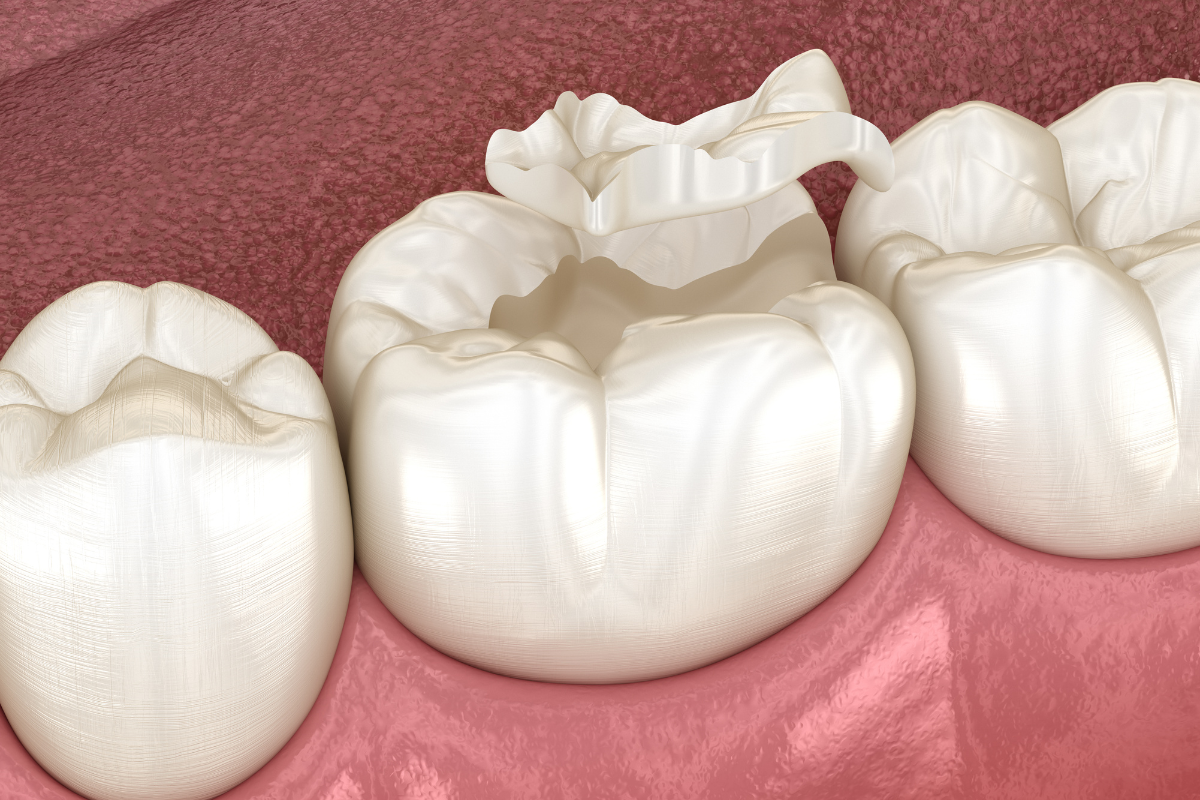
Think of dental sealants as a protective raincoat for your teeth. They are thin, plastic coatings painted onto the chewing surfaces of your back teeth. Once applied, they quickly harden, forming a smooth barrier that “seals out” food particles, plaque, and cavity-causing bacteria from settling into those hard-to-reach nooks and crannies.
Who Should Consider Dental Sealants?
While often associated with children and teenagers, dental sealants offer valuable protection for individuals of all ages.
For Children and Teenagers: The Early Defense
- Protecting New Molars: The first permanent molars typically erupt around age 6, followed by the second molars around age 12. These newly emerged teeth are particularly susceptible to decay as they are still developing and often have deep fissures. Applying sealants shortly after their eruption provides immediate and long-lasting protection during these crucial, cavity-prone years.
- Reduced Cavity Risk: Studies show that children aged 6 to 11 without sealants are almost three times more likely to have cavities in their molars compared to those with sealants. Sealants can prevent up to 80% of cavities for two years and continue to protect against 50% for up to four years.
- Painless and Quick: The application process is non-invasive, quick, and completely painless, making it a stress-free experience for children.
For Adults: Extending Protection
- Preventing New Cavities: Even adults who haven’t had cavities in their molars can benefit from sealants, especially if they have deep grooves that are difficult to clean effectively with regular brushing.
- Cost-Effective Prevention: Investing in sealants can save you from more expensive and invasive dental treatments like fillings, root canals, or crowns down the line.
The Clear Benefits of Dental Sealants
Dental sealants offer a multitude of advantages for your oral health:
- Superior Cavity Prevention: This is the primary and most significant benefit. By creating a physical barrier, sealants effectively block out the agents that lead to tooth decay, particularly in the most vulnerable areas of your teeth.
- Long-Lasting Protection: With proper care, dental sealants can last for several years, typically ranging from 3 to 10 years. Regular dental check-ups allow your dentist to monitor their condition and reapply them if needed.
- Non-Invasive and Painless Procedure: The application of dental sealants is a straightforward process that doesn’t involve drilling or anesthesia. It’s a quick, comfortable experience for patients of all ages.
- Preserves Natural Tooth Structure: By preventing decay, sealants help preserve the natural enamel of your teeth, contributing to better long-term oral health and function.
The Simple Dental Sealant Procedure
The application of dental sealants is a swift and easy process, usually completed in a single dental visit:
- Cleaning and Preparation: The tooth surface is thoroughly cleaned to remove any plaque or food debris.
- Etching: A mild acidic solution is applied to the chewing surface. This creates microscopic pores, helping the sealant bond securely to the tooth enamel.
- Rinsing and Drying: The tooth is then thoroughly rinsed and dried to ensure optimal adhesion.
- Sealant Application: The liquid sealant material is carefully painted onto the grooves and pits of the tooth.
- Curing: A special curing light is used to quickly harden the sealant, creating a durable protective layer.
- Checking and Adjusting: The dentist will check the sealant to ensure it has properly bonded and is smooth, making any necessary adjustments for comfort.
Beyond Sealants: A Holistic Approach to Oral Health
While dental sealants are a powerful tool in cavity prevention, they are not a substitute for good oral hygiene practices. Regular brushing twice a day, flossing daily, and maintaining a balanced diet with limited sugary foods and drinks are crucial for overall oral health. Combined with routine dental check-ups, sealants contribute significantly to a lifetime of healthy, cavity-free smiles.
Talk to the friendly team at Round Lake Family Dentistry about whether dental sealants are the right preventive measure for you or your child. It’s a small step that can make a big difference in protecting your smile for years to come.
Ready to protect your family’s smiles? Call us to schedule a consultation with Round Lake Family Dentistry today!