SE HABLA ESPAÑOL





What Is a Root Canal Treatment?
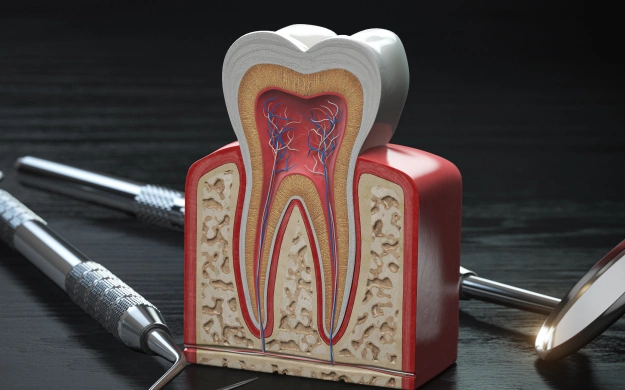
A root canal treatment involves removing the pulp tissue from inside a tooth, which is actually hollow. The pulp is the soft tissue that contains blood vessels and nerves within each tooth. This unique design of teeth is why toothaches can be so excruciatingly painful. Unlike other parts of the body where soft tissue can swell outward when inflamed, the hard structure of a tooth leaves no room for the pulp to expand. When the pulp becomes infected or inflamed, it can only build pressure within the tooth, causing intense sharp, shooting, or throbbing pains.
What is the purpose of a root canal treatment?
A root canal treatment relieves toothaches by eliminating inflamed or infected nerves and blood vessels from the affected tooth. This procedure also ensures that the internal surface of the tooth is thoroughly cleaned to prevent any further infection. Once the soft tissue is removed and the hard tissue is cleaned, the dentist fills the hollow chamber with a biocompatible material to seal the tooth and prevent future bacterial contamination.
The term "root canal treatment" is often shortened to just "root canal" by many people. This is because of the anatomical terms used to describe teeth. The hollow space in a tooth that extends down each root is called the root canal. Some teeth have more than one root, so a root canal treatment may involve cleaning and sealing up to four canals.
What is involved in the process of a root canal treatment?
There are several unique steps in the root canal treatment process that distinguish it from other dental procedures. While we do use the same type of local anesthetic to ensure your comfort and eliminate any pain, the specific aspects that set root canal treatments apart include:
Rubber dam isolation
In order to maintain a sterile environment during treatment, your dentist will use a rubber dam to isolate the tooth being worked on. This prevents saliva and bacteria from coming into contact with the tooth, as well as keeping dental materials and instruments from entering your mouth.
X-ray evaluation
Throughout a root canal procedure, your dentist will utilize x-rays to regularly check on the progress and assess the location of the canals and filling material.
While receiving treatment, you may experience slight pressure or pushing. The dentist will use small files to clean the inside of your tooth, which may feel similar to filing a fingernail. Rest assured, you should not feel any pain during the procedure.
What can I anticipate following a root canal procedure?
After a root canal treatment, your dentist may choose to cover the sealed canal with a temporary filling or a permanent filling followed by preparation for a crown. Since a root canal removes the fluid supply from a tooth, it can become brittle and dehydrated, increasing the risk of cracks. To prevent future cracking, teeth that have undergone root canal treatment should be fully covered with a crown.
After your root canal treatment, it is common to feel some tenderness or pain in the area where the dental work was done. If you have an infection, your dentist may prescribe oral antibiotics. It is crucial that you carefully follow the post-operative care instructions and take your medications as directed.