SE HABLA ESPAÑOL


Can Dental Sealants Prevent Cavities in Children?

Every parent wants to protect their child’s smile, yet cavities remain one of the most common dental problems among kids. Even with regular brushing and flossing, back teeth—especially molars—are prone to decay. This is where dental sealants come in.
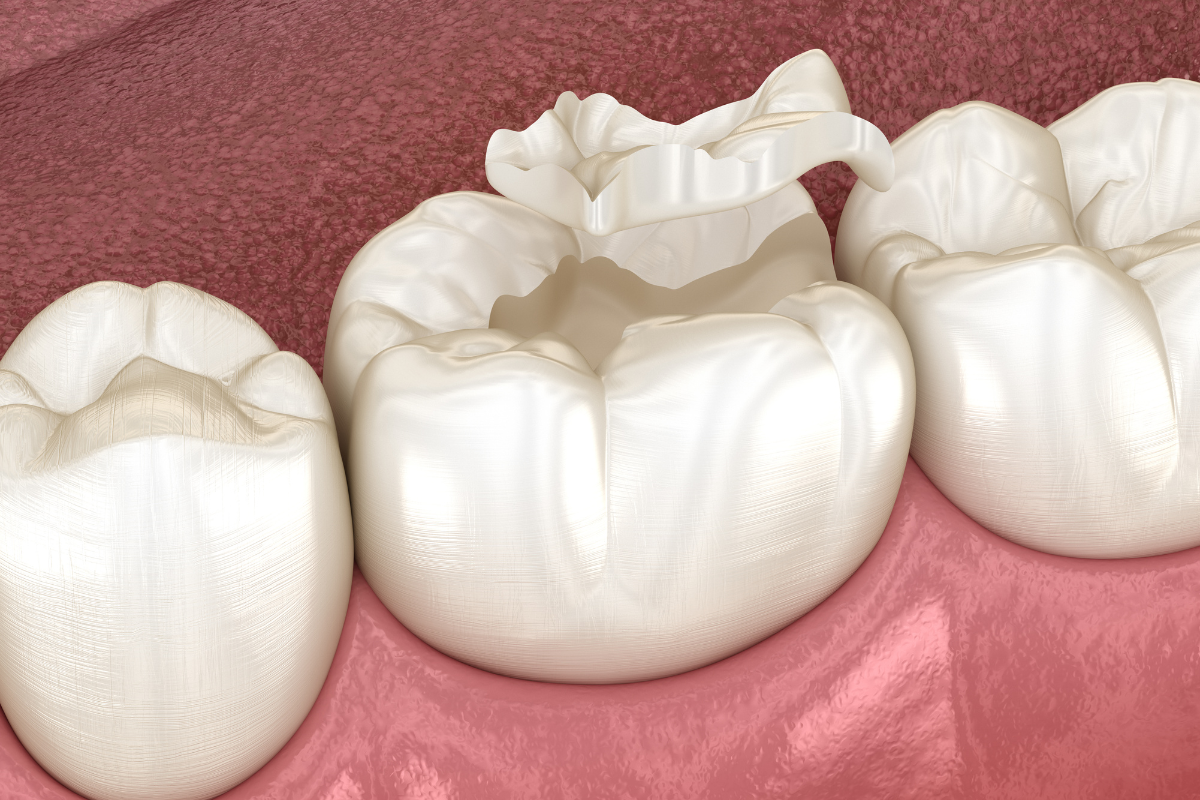
Dental sealants are a thin protective coating applied to the chewing surfaces of the back teeth (molars and premolars). By sealing deep grooves where food and bacteria often collect, they create a strong line of defense against tooth decay. According to the American Dental Association (ADA), children who receive sealants on their permanent molars reduce their risk of cavities by nearly 80%.
Why Kids Often Get Cavities
Children are more likely to develop cavities because:
- Molars contain deep pits that are difficult to keep clean.
- Kids enjoy snacks like chips, sweets, and juice, which easily stick.
- Brushing and flossing habits aren’t always consistent.
The CDC reports that nearly 20% of children between ages 6 and 11 have untreated cavities. This highlights why pediatric dentistry places so much emphasis on prevention.
How Dental Sealants Are Applied
Getting sealants is simple and completely pain-free.
- The tooth is cleaned and dried.
- A gentle solution prepares the surface.
- The sealant material is painted on.
- A special curing light hardens the coating.
The process usually takes just a few minutes per tooth, requires no anesthesia, and children can eat or return to school right away.
Key Benefits of Sealants for Kids
- Effective Cavity Prevention: Protects the areas most vulnerable to decay.
- Cost Savings: Preventing cavities reduces the need for fillings later.
- Durable Protection: With good care, sealants can last for years.
- Better Long-Term Health: Encourages healthy oral habits from an early age.
Parents who visit a kid friendly dentist in Round Lake can ask about sealants as part of their child’s preventive care plan.
What Research Tells Us
Studies show that children without sealants are nearly three times more likely to develop cavities compared to those who have them. Since a single cavity can progress quickly and require fillings, sealants serve as an important investment in kids’ oral health.
Best Age to Get Sealants
Dentists usually recommend sealants once permanent molars erupt—around ages 6 and 12. Applying them early ensures protection before decay can start.
During a routine visit, a trusted dentist in Round Lake can check if your child is ready for sealants and explain the process in detail.
Local Perspective: Round Lake Families
Parents in Round Lake are increasingly choosing preventive dental care to avoid problems later on. From regular checkups to fluoride treatments and sealants, a pediatric dentist can customize care to keep children’s teeth strong and healthy. Preventive steps not only reduce cavities but also make dental visits more positive experiences for kids.
FAQs About Dental Sealants
Are sealants safe for kids?
Yes. They’ve been used safely in pediatric dentistry for decades.
How long do sealants protect teeth?
Typically 5–10 years, though dentists check them during regular visits.
Do they replace brushing and flossing?
No, sealants are an added layer of protection, not a substitute.
Can older teens or adults get sealants?
Yes, but they are most effective when placed right after the permanent teeth have erupted.
Final Thoughts
Dental sealants are one of the easiest and most effective ways to prevent cavities in children. They act as a shield against food and bacteria, significantly lowering the chances of tooth decay and setting the stage for a lifetime of healthy smiles.
For parents considering options for cavity prevention, talking to a dentist Round Lake about sealants is a great place to start. Taking this small step today can help your child avoid bigger dental issues in the future.
Schedule an appointment to learn more about how sealants can protect your child’s teeth.