SE HABLA ESPAÑOL


What Are the Long-Term Effects of Untreated Tooth Decay?

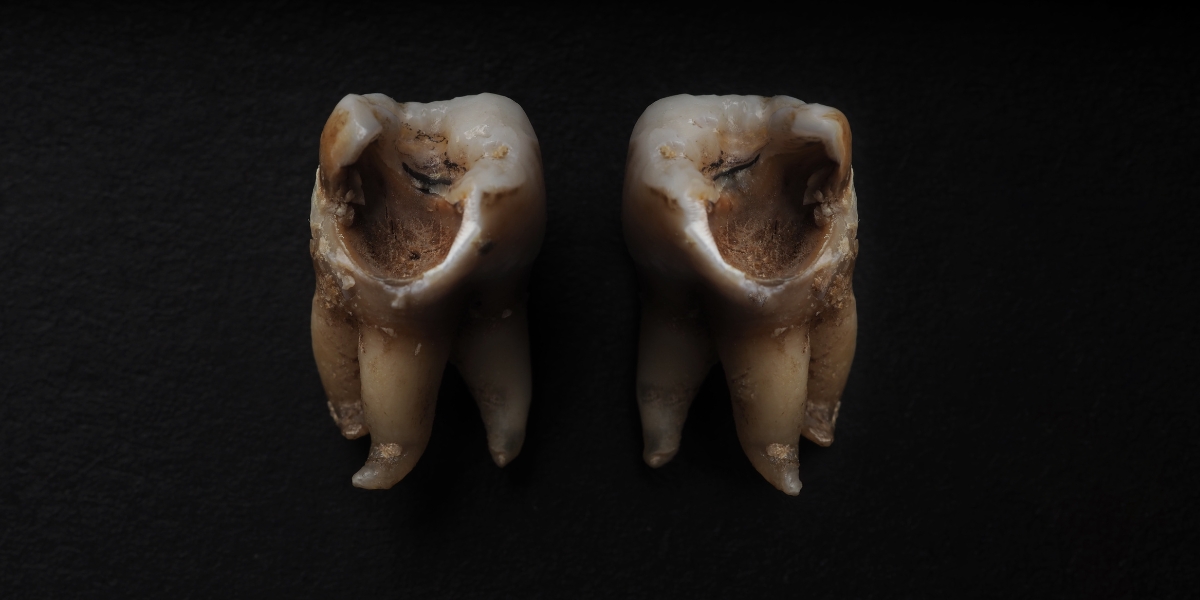
A small cavity may not seem urgent at first. Many people assume they can wait a little longer before seeing a dentist, especially if the tooth is not causing significant pain. However, tooth decay rarely stays the same for long. Once it begins, bacteria continue damaging the tooth unless it is treated.
For families and individuals in Round Lake, IL, busy schedules and daily responsibilities often make it easy to delay dental visits. Still, postponing treatment can allow a minor cavity to grow into a much larger problem. Over time, the damage may reach deeper parts of the tooth and eventually affect surrounding tissue.
When untreated tooth decay continues to progress, it may lead to infection, structural damage, and other serious dental concerns. Recognizing how decay develops—and what can happen when it is ignored—can help people make informed decisions about their oral health.
How Tooth Decay Gradually Worsens
Cavities usually begin with plaque buildup. Plaque is a sticky layer of bacteria that forms on teeth throughout the day. When these bacteria interact with sugars from food and drinks, they create acids that slowly weaken tooth enamel.
If the decay is not addressed early, it moves deeper into the tooth.
Early Changes in the Enamel
The earliest stage of decay affects the enamel, which is the strong outer layer protecting the tooth. At this point, there may be few noticeable symptoms. Some individuals experience mild sensitivity, while others notice small white or chalky areas on the tooth surface.
If a dentist identifies decay during this stage, treatment is typically simple and quick.
Decay Reaches the Inner Layer
Once the bacteria break through the enamel, they reach the dentin. Dentin is softer than enamel, which allows cavities to grow faster. Sensitivity may increase, especially when eating sweet foods or drinking cold beverages.
Without treatment, bacteria will continue moving inward toward the center of the tooth.
Infection Near the Nerve and Root
In advanced stages, decay reaches the pulp where nerves and blood vessels are located. This stage is often painful and may lead to a root infection.
When this happens, dentists often recommend root canal treatment to remove infected tissue and preserve the tooth whenever possible.
Long-Term Problems Caused by Untreated Tooth Decay
Cavities that go untreated can lead to a number of complications. These issues often develop gradually but may become serious over time.
Dental Infection
One of the most common complications of severe cavities is a dental infection. When bacteria enter the inner portion of a tooth, they may cause an abscess near the root.
An abscess is a pocket of infection that can produce symptoms such as:
- Continuous tooth pain
- Swelling around the gums or jaw
- Sensitivity when biting
- A persistent unpleasant taste in the mouth
Infections rarely resolve on their own. Without treatment, they may spread to nearby tissue and require urgent dental care.
Tooth Loss
As decay destroys more of the tooth structure, the tooth becomes weaker. Eventually, the damage may be too extensive to repair.
When this occurs, tooth loss may become unavoidable.
Losing a tooth can lead to several long-term concerns:
- Difficulty chewing certain foods
- Movement of nearby teeth
- Changes in the bite
- Gradual bone loss in the jaw
Even a single missing tooth can influence the overall alignment of the mouth.
Root Infection and Abscess Formation
When bacteria travel down toward the root, they can infect the surrounding tissue at the tip of the tooth. This root infection often causes throbbing pain and swelling.
If ignored, the infection may spread into nearby bone or soft tissue. Treatment usually involves removing infected tissue and sealing the inside of the tooth to prevent further damage.
Additional Dental Complications
Tooth decay rarely stays limited to one tooth. Bacteria that cause cavities can spread throughout the mouth, making other teeth vulnerable.
Over time, untreated decay may contribute to additional dental complications, including:
- Multiple cavities developing at once
- Increased tooth sensitivity
- Gum irritation or inflammation
- Structural weakening of nearby teeth
These problems can eventually require more involved dental treatments such as crowns or restorative procedures.
Why Early Dental Care Matters
Addressing cavities early often prevents larger problems later. When a dentist identifies decay in its early stages, treatment is usually simpler and less invasive.
Routine dental exams also allow dentists to monitor subtle changes that patients may not notice themselves.
Early care can help:
- Protect natural tooth structure
- Reduce the chance of infection
- Prevent tooth loss
- Maintain long-term oral health
The American Dental Association emphasizes the importance of regular dental checkups and daily oral hygiene in preventing cavities and related problems.
Warning Signs That Should Not Be Ignored
Tooth decay does not always cause immediate pain, but certain symptoms can signal that something is wrong.
It may be time to see a dentist if you notice:
- Sensitivity to hot or cold drinks
- Pain while chewing
- Dark spots on the surface of a tooth
- Ongoing bad breath
- Swelling around a specific tooth or gum area
Even mild symptoms can indicate underlying decay.
Practical Steps to Reduce the Risk of Tooth Decay
Preventing cavities is often easier than treating them later. Consistent daily habits play an important role in maintaining oral health.
Dentists commonly recommend:
- Brushing teeth twice each day using fluoride toothpaste
- Flossing daily to remove plaque between teeth
- Reducing sugary snacks and drinks
- Drinking water throughout the day
- Visiting a dentist regularly for professional cleanings and exams
These steps help limit bacterial buildup and protect enamel from damage.
Frequently Asked Questions
Can tooth decay get worse without pain?
Yes. Many cavities develop without noticeable pain in the early stages. Regular dental exams help identify problems before symptoms appear.
What happens if a dental infection is left untreated?
An untreated dental infection can spread to surrounding tissue and cause swelling, discomfort, and additional complications that require urgent care.
How quickly can cavities progress?
The speed varies depending on oral hygiene, diet, and overall health. Some cavities progress slowly, while others may worsen within months.
Is it possible to save a tooth with severe decay?
In many cases, dentists can restore damaged teeth using fillings, crowns, or root canal treatment. Early care improves the chances of saving the tooth.
How often should dental checkups be scheduled?
Most dentists recommend routine exams every six months, although some patients may benefit from more frequent visits depending on their oral health needs.
Protecting Your Teeth for the Future
Tooth decay may start as a small issue, but ignoring it can lead to serious consequences over time. Problems such as dental infection, severe cavities, root infection, and tooth loss are much more likely when decay is left untreated.
Maintaining regular dental visits and consistent oral hygiene can help prevent these complications. For many people, early attention from a dentist makes the difference between a simple treatment and a more complex procedure later on.
If you have noticed signs of tooth decay or have not had a dental checkup recently, it may be helpful to speak with a dentist about your concerns and schedule an appointment to keep your oral health on the right track.