SE HABLA ESPAÑOL


7 Major Causes of Oral Cancer

Oral cancer is something many people do not think about until symptoms become serious, but awareness can make a major difference. This disease can affect different areas of the mouth, including the tongue, lips, gums, cheeks, and throat. In many cases, the early signs are subtle, which is why routine dental visits and preventive care are so important.
Every year, thousands of people in the United States are diagnosed with oral cancer. While anyone can develop it, certain habits and health conditions can raise the risk significantly. Understanding these causes can help people make healthier choices and recognize when it may be time to seek professional care. Seeing a dentist in Round Lake, IL regularly can also help identify unusual changes early before they progress into more serious concerns.
Tobacco Products Put Oral Health at Serious Risk
Tobacco continues to be one of the biggest contributors to oral cancer. Smoking exposes the mouth to harmful chemicals that slowly damage healthy tissue. Cigarettes, cigars, pipes, and even smokeless tobacco products can all increase the risk.
Chewing tobacco and snuff are especially harmful because they remain in direct contact with the gums and cheeks for long periods. Over time, repeated exposure may lead to abnormal cell changes. The good news is that quitting tobacco at any stage can help lower the risk and improve overall oral health.
Frequent Alcohol Use Can Damage Oral Tissues
Drinking alcohol regularly, especially in large amounts, may also increase the likelihood of oral cancer. Alcohol can irritate the soft tissues inside the mouth and weaken the body’s natural ability to protect itself from harmful substances.
People who both smoke and drink heavily often face a much greater risk because the two habits work together to damage oral tissues more aggressively. Reducing alcohol intake can help protect the mouth and support better long-term health.
HPV Infections Are Linked to Certain Oral Cancers
Human papillomavirus, or HPV, has become increasingly connected to cancers found in the throat and back of the mouth. Some strains of the virus, particularly HPV-16, are known to increase the chances of abnormal cell growth in these areas.
Unlike oral cancers commonly associated with tobacco use, HPV-related cancers are often diagnosed in younger adults. Vaccination and regular health screenings can play an important role in prevention and early detection.
Long-Term Sun Exposure Can Affect the Lips
Most people know the sun can damage the skin, but many forget that the lips are vulnerable too. Spending years in direct sunlight without protection can increase the risk of lip cancer, especially for people who spend long hours outdoors.
The lower lip tends to receive the most sun exposure, making it more likely to develop damage over time. Wearing a hat and using lip protection with SPF can help reduce unnecessary exposure to ultraviolet rays.
Poor Eating Habits May Weaken the Body’s Natural Defense
Nutrition affects more than just energy levels and weight. A diet lacking fresh fruits, vegetables, and essential nutrients may make it harder for the body to repair damaged cells.
Highly processed foods and unhealthy eating habits can also contribute to inflammation throughout the body. Choosing healthier foods rich in vitamins and antioxidants may help support stronger immune function and healthier tissues inside the mouth.
Ongoing Irritation Inside the Mouth Should Not Be Ignored
Constant irritation in the mouth may also create problems over time. Sharp teeth, damaged dental restorations, poorly fitted dentures, or repeated cheek biting can all place stress on oral tissues.
While irritation alone does not automatically cause cancer, continuous inflammation may increase the chance of abnormal tissue changes. Regular dental checkups are important because they help identify these issues before they become more serious. At Round Lake Family Dentistry, routine exams can help ensure crowns, dentures, and other dental appliances fit properly and comfortably.
Genetics and Family History Can Play a Role
Some individuals may naturally have a higher risk of developing oral cancer because of inherited genetic traits. A family history of cancer may affect how the body repairs damaged cells or responds to abnormal growth.
Although genetics cannot be controlled, staying proactive with preventive care can still make a difference. Regular screenings and healthy daily habits are especially important for people with a strong family history of cancer.
Why Early Detection Matters
One of the biggest challenges with oral cancer is that symptoms are not always obvious in the beginning. Small sores, patches, swelling, or discomfort may seem harmless at first. Unfortunately, delaying treatment can allow the condition to progress.
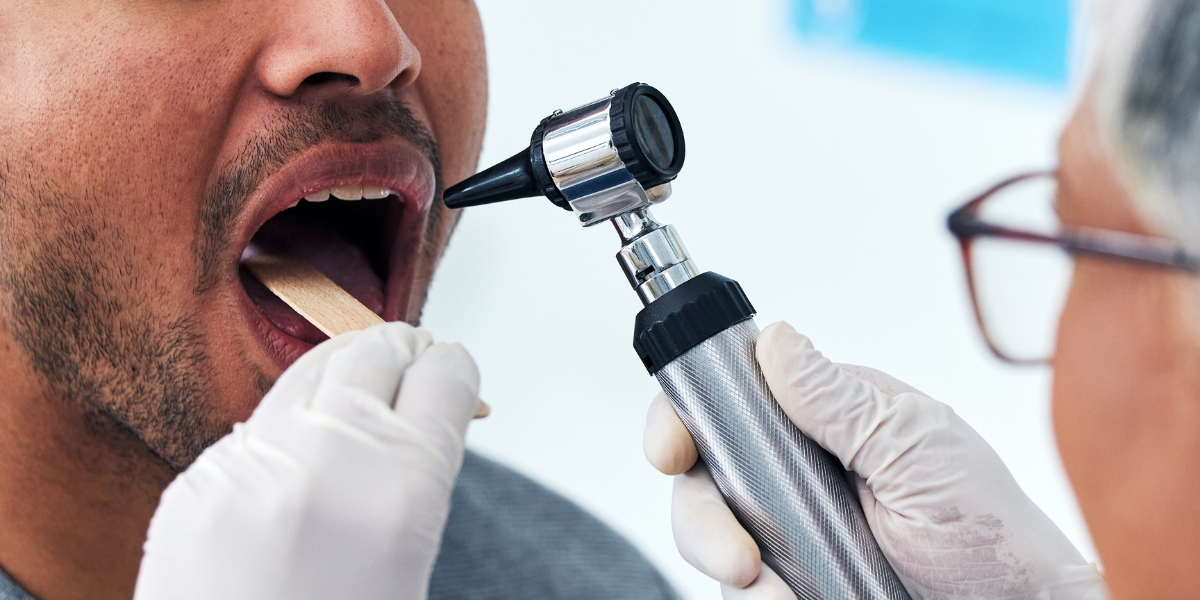
Routine dental visits are one of the easiest ways to catch warning signs early. Dentists carefully examine the mouth, gums, tongue, and surrounding tissues for unusual changes that may require further evaluation.
FAQs About Oral Cancer
What are the early warning signs of oral cancer?
Some common signs include mouth sores that do not heal, red or white patches, swelling, lumps, difficulty swallowing, numbness, or ongoing mouth pain.
Is oral cancer only caused by smoking?
No. Smoking is a major risk factor, but oral cancer can also be linked to alcohol use, HPV infections, genetics, poor nutrition, and excessive sun exposure.
Can oral cancer be prevented?
While not every case can be prevented, avoiding tobacco, limiting alcohol, protecting the lips from the sun, eating a healthy diet, and attending regular dental visits may help reduce the risk.
How often should oral cancer screenings be done?
Most people should receive screenings during routine dental checkups every six months. Patients with higher risk factors may need more frequent evaluations.
Why are dental exams important for oral cancer detection?
Dentists are trained to spot early changes in oral tissues that patients may not notice on their own. Early detection often improves treatment outcomes significantly.
Taking care of your oral health goes beyond brushing and flossing. Understanding the factors that may contribute to oral cancer can help you make informed decisions and seek care when needed. Regular screenings and preventive dental visits remain one of the best ways to protect your health. Schedule an appointment with Round Lake Family Dentistry today for personalized preventive care and a complete oral examination in Round Lake, IL.