SE HABLA ESPAÑOL


6 Ways to Remove Coffee Stains from Your Teeth


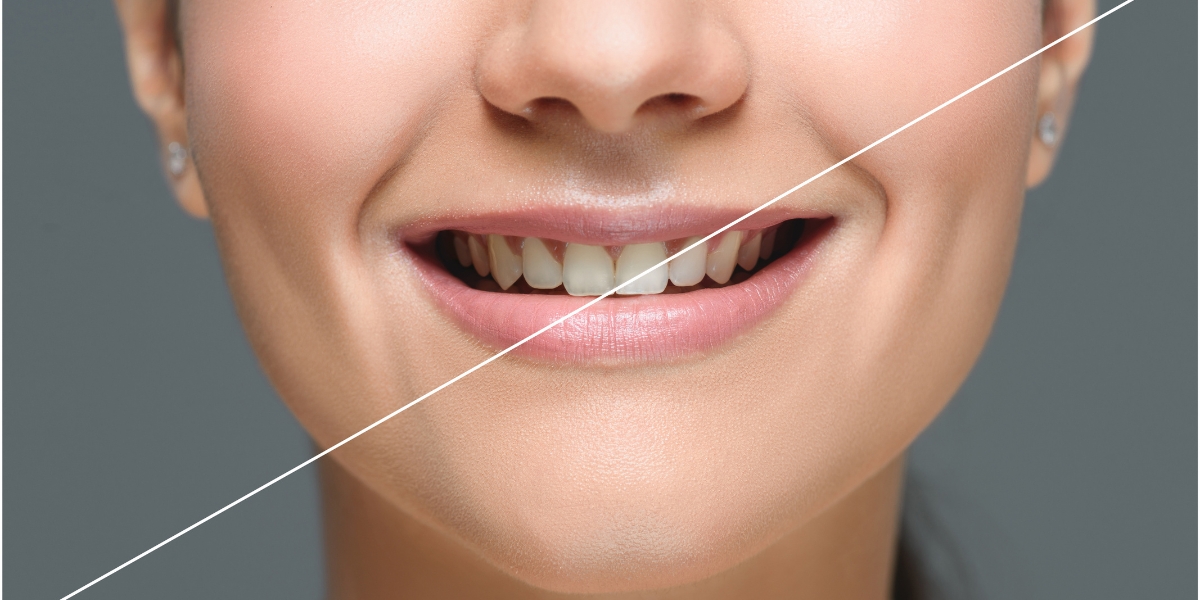
If you love your daily cup of coffee but don’t love the stains it leaves behind, you’re not alone. Coffee contains tannins—natural compounds that cling to enamel and gradually cause discoloration. Even with consistent brushing, those yellowish stains can still sneak up on you. The good news? You don’t have to give up your favorite brew or invest in pricey treatments right away. There are several simple, effective methods to brighten your smile and minimize staining at home. And if you’re considering more noticeable improvement, professional teeth whitening in Round Lake can offer faster, dramatic results.
Below are six highly effective ways to remove coffee stains and maintain a healthy, radiant smile.
Brush & Floss Consistently (The First Line of Defense)
Daily brushing and flossing may sound basic, but it’s the most important step in preventing coffee stains from deepening. Aim to brush at least twice a day, especially after drinking coffee, to keep surface stains from settling in. Choose a toothpaste with mild whitening ingredients like baking soda or hydrogen peroxide—these help break down discoloration without being too abrasive.
Flossing is just as crucial. Coffee residues can wedge between teeth, creating shadowy discoloration in tight spaces. Regular flossing removes trapped buildup and helps your overall smile look cleaner and brighter.
Whiten Naturally with Baking Soda
Baking soda is a long-trusted at-home whitening ingredient thanks to its mild abrasive properties. It works by gently polishing away surface stains, making it ideal for lifting the brownish tint left by coffee.
To use it safely:
- Mix a small amount of baking soda with water to form a paste.
- Brush with it for no more than two minutes.
- Rinse thoroughly afterward.
This method should only be used once or twice a week. Overusing baking soda can gradually wear down enamel, which makes teeth more vulnerable in the long run.
Try Apple Cider Vinegar (ACV) Rinses
Apple cider vinegar has natural acidic properties that help dissolve stubborn stains. While strong, it can be effective when properly diluted. Mix one tablespoon of ACV with a cup of warm water and swish it around for 20–30 seconds. Follow up with a thorough rinse to prevent the acid from lingering on your enamel.
This method is best used sparingly—just once or twice a week—since acids can weaken enamel if overused. When done safely, ACV can help break down stain molecules and refresh your smile.
Use Hydrogen Peroxide for Deeper Whitening
Hydrogen peroxide is found in many over-the-counter whitening products because it penetrates deeper than simple surface cleaners. When diluted properly, it can help lift moderate stains caused by frequent coffee drinking.
Try this method:
- Mix equal parts hydrogen peroxide (3% strength) and water.
- Swish gently for one minute.
- Rinse with water and brush afterward.
Used a few times a week, this solution can brighten your smile over time without causing discomfort. Avoid using undiluted peroxide—it’s too strong for direct application.
Consider Professional Whitening for Faster Results
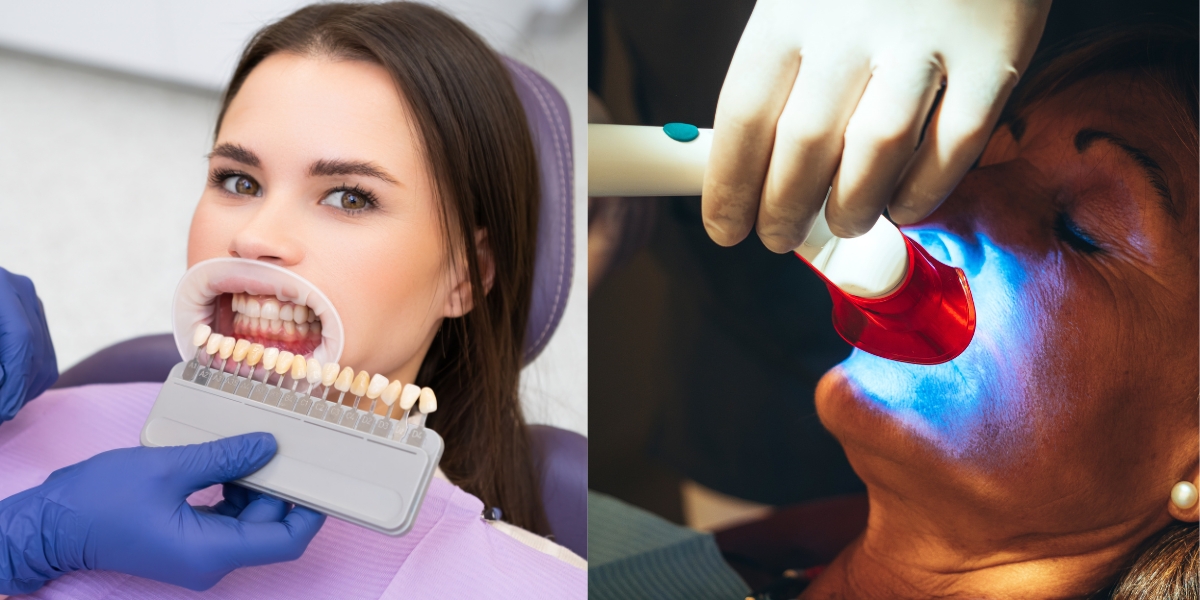
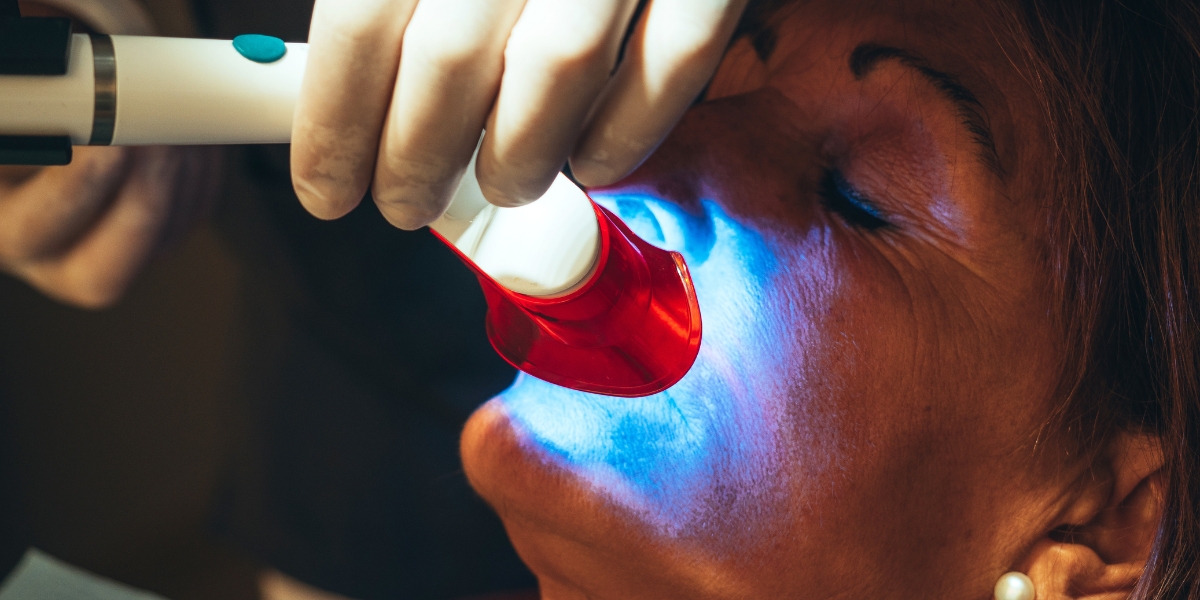
For individuals looking for a dramatic transformation, professional whitening offers safe, effective, and immediate results. Dentists use concentrated whitening gels and advanced activation systems to break down stains quickly. Professional treatment is especially beneficial if home remedies aren’t giving you the level of whitening you want or if stains have built up over several years.
If you want a dentist-guided approach to whitening, a cosmetic dentist Round Lake can customize your treatment plan and help you achieve long-lasting, naturally bright results.
Limit Foods & Drinks That Contribute to Staining
Preventing stains is easier than removing them. Coffee is only one of several stain-causing foods and beverages—others include:
- Red wine
- Dark berries
- Cola
- Tea
- Tomato-based sauces
While you don’t have to eliminate these completely, reducing your intake or drinking through a straw can minimize direct contact with your teeth. Rinsing with water right after consuming staining foods can also make a noticeable difference.
Final Thoughts
Coffee stains are common, but they don’t have to dull your smile. With consistent oral care, natural whitening aids, and mindful eating choices, you can keep your teeth looking bright and refreshed. Baking soda, hydrogen peroxide, and apple cider vinegar can be helpful when used correctly, while professional whitening offers fast, reliable enhancement for deeper stains.
Whether you’re managing mild discoloration at home or ready for a more advanced solution, taking the right steps today can protect your smile for years to come. If you’re ready to explore more personalized solutions or want professional guidance, don’t hesitate to schedule an appointment.
FAQs
Q. How can I prevent coffee stains from forming on my teeth?
Brush and floss daily, rinse after drinking coffee, and reduce your intake of staining beverages. Using a straw can also help keep coffee from bathing the front surfaces of your teeth.
Q. Are store-bought whitening kits effective?
They can reduce mild to moderate stains, but results vary widely. Professional treatments typically deliver faster and more consistent whitening.
Q. How often can I use baking soda for whitening?
Limit baking soda use to no more than one or two times per week to avoid weakening enamel.