SE HABLA ESPAÑOL


How Does a Dentist Decide Between a Filling and a Crown?


Dental decisions can feel overwhelming, especially when you’re told you may need more than a simple repair. Many people in and around Round Lake, IL feel anxious when they hear words like “crown,” “restoration,” or “decay depth.” It’s normal to want clarity. You’re trusting someone with your smile, your comfort, and your long-term health — and understanding why a dentist recommends one treatment over another helps rebuild that sense of control.
Both fillings and crowns are essential parts of restorative dentistry, but they serve very different purposes. While one restores small areas of tooth structure loss, the other protects the entire tooth from future damage. If you’ve ever wondered how a dentist chooses between the two, this guide walks you through the decision-making process in simple, trustworthy terms.
Understanding the Role of a Filling
A filling is used when decay or damage affects a smaller portion of the tooth. The goal is to remove the decay, clean the area, and replace the missing tooth structure with a safe, durable material.
When a Filling Makes Sense
A dentist usually recommends a filling when:
- The decay depth is minimal
- Less than 40–50% of the tooth structure is affected
- The tooth still has strong walls
- There’s little to no risk of fracture
Data from clinical restorative guidelines shows that fillings perform best when the remaining enamel provides at least two intact walls. This allows the restoration to stay secure without placing heavy stress on the tooth.
In a community like Round Lake, IL, where many families juggle busy schedules, fillings also offer a more time-efficient solution — often completed in a single visit.
When a Crown Becomes the Better Option
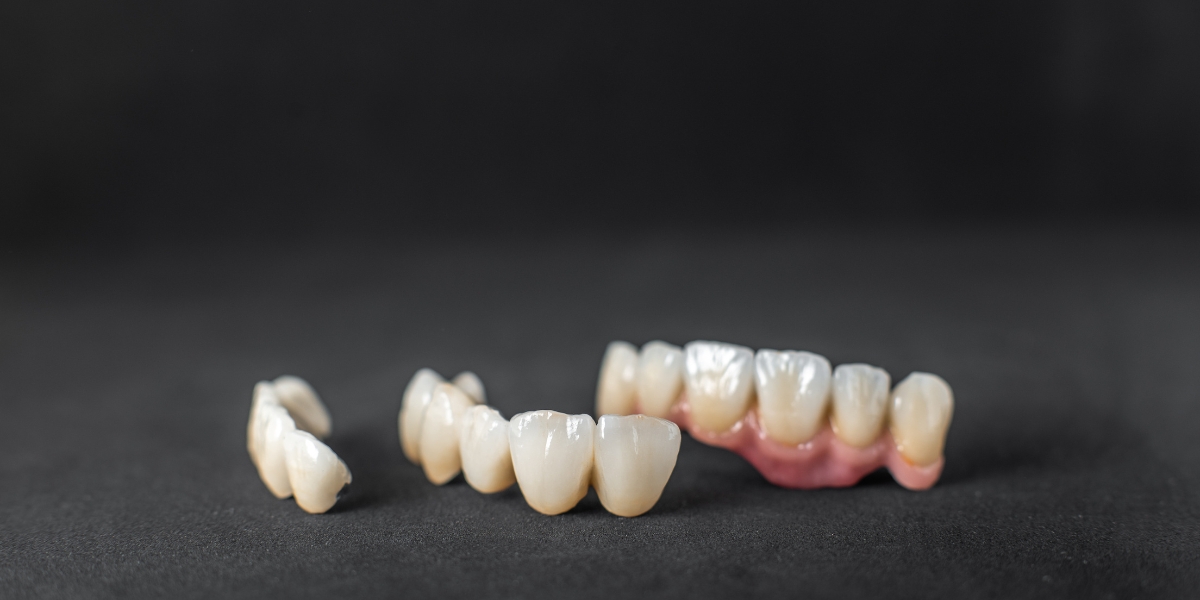
A crown covers the entire visible surface of the tooth, making it a stronger and more protective choice for more serious cases.
Why a Crown May Be Needed
A dentist may suggest a crown when:
- Tooth structure loss is significant
- The cavity covers multiple surfaces
- The tooth has cracks or weakening
- Existing fillings have failed
- A root canal has been performed
Clinical data suggests that once more than 50–60% of a tooth’s structure is compromised, the risk of fracture rises sharply — up to four times higher than with a healthy tooth. A crown reduces that risk by encasing the remaining tooth and absorbing bite forces more evenly.
Some patients who have visited a Round Lake IL dentist learn that what starts as a small cavity can grow silently beneath the surface. That’s why regular exams matter — early detection often saves the natural tooth.
How Dentists Compare Fillings and Crowns
Dentists evaluate several criteria before recommending a treatment. This includes visible decay, structural integrity, and long-term stability. If a tooth restoration is likely to fail due to its size or the decay depth, a crown becomes the better choice.
Key Factors in the Decision
Size of the Cavity
A filling works best for small to moderate damage. Larger cavities require more strength than filling material alone can provide.
Tooth Location
Molars endure the highest chewing force. If a molar has major decay, a crown often provides better long-term stability.
Cracks or Weakness
If the tooth flexes under pressure or has visible cracks, a crown helps prevent future fractures.
Past Restorations
Multiple fillings weaken the tooth over time. A crown offers full-coverage support.
Risk of Tooth Loss
Dentists always aim to save the natural tooth. Crowns help preserve even heavily damaged teeth, avoiding the need for implants or more complex procedures.
Local Insight: What Patients in Round Lake Often Experience
Many patients in Round Lake have older metal fillings placed years ago. As those fillings age, the surrounding enamel may weaken, making a modern crown the safer option. Local dentists also see seasonal cases of cracked teeth — often from biting into frozen foods or stress-related grinding during Illinois’ colder months.
Understanding why your dentist recommends a particular treatment makes the process smoother. It also reassures you that the goal is long-term reliability, not unnecessary procedures.
Data-Based Interpretation
Dentists follow clinical guidelines, research, and diagnostic tools. Here’s how data supports treatment recommendations:
- Teeth with >50% structure loss fail 3–4 times more often with fillings alone.
- Cracked teeth treated only with fillings have up to 60% higher fracture rates over time.
- Crowns after root canals increase tooth survival by six times compared with fillings.
This data helps your dental provider choose the option that not only solves the problem today but also protects your smile for the future.
FAQs
Is a crown always better than a filling?
Not always. If the damage is small, a filling is usually enough. A crown is recommended only when stability and long-term strength are a concern.
Does getting a crown hurt?
Most patients feel only mild pressure thanks to modern numbing techniques. The process is typically very manageable.
Why can’t I just choose a filling even if the tooth is badly damaged?
A filling in a severely damaged tooth may fail quickly, leading to breakage or the need for more complex treatment later. A crown helps prevent those issues.
How long does a crown last?
With good care, crowns often last 10–15 years, sometimes longer.
Can a dentist help if the tooth can’t be saved?
Yes. If the tooth is beyond repair, a dentist may help with implants or advanced gum and bone procedures.
Final Thoughts
Choosing between a filling and a crown isn’t just about fixing a tooth — it’s about protecting your long-term oral health. Whether you’re dealing with minor decay or significant tooth structure loss, a clear understanding of your options helps you feel confident in your care. If you’re near Round Lake and need guidance, your local dental team can explain your options in detail and help you choose what’s best for your smile.
If you feel it’s time to understand your dental needs better, you can schedule an appointment to get personalized guidance that fits your situation and goals.