SE HABLA ESPAÑOL


Nerve Damage After Oral Surgery: Risks, Symptoms, and Recovery Options

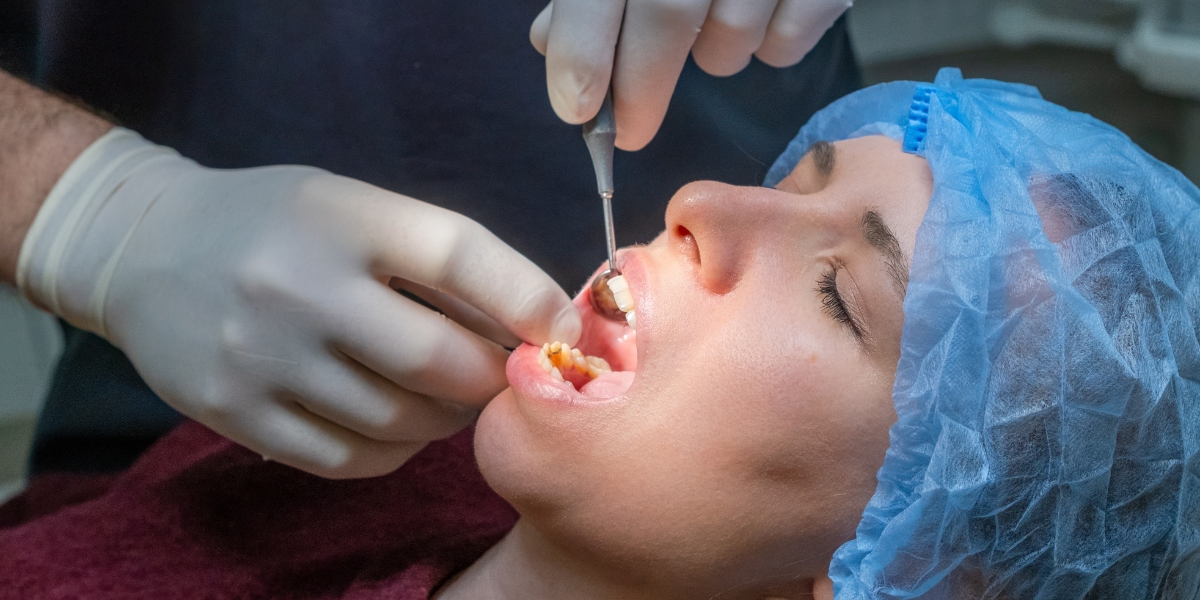
Sitting in a dental chair before surgery can bring up a lot of thoughts. You might be wondering how long healing will take, whether you’ll feel pain, or if anything unexpected could happen. One concern many people quietly carry is the possibility of losing sensation after a procedure. Even hearing about nerve damage after oral surgery can feel unsettling.
If you’re planning for oral surgery in Round Lake, it helps to understand what’s normal and what’s not. Many patients who visit local dentists share similar concerns, especially about numbness or unusual sensations after treatment. While nerve-related issues can happen, they are not common—and in most cases, they improve with time.
What Does Nerve Damage Really Mean?
Nerve damage, often called an oral surgery nerve injury, happens when a nerve near the surgical area gets irritated or affected. These nerves control feeling in parts of your face like your lips, tongue, and chin.
Procedures such as wisdom tooth removal or dental implants may involve working close to these nerves. That said, long-term complications are rare. Research shows that only a small percentage of patients experience lasting effects, and most cases are temporary.
Round Lake dentists usually rely on digital scans and careful planning to avoid these sensitive areas as much as possible.
Why Can It Happen?
Even with proper care, a few factors can increase the chances of nerve irritation:
Tooth Position Matters
Teeth that are deeply impacted or positioned near nerves can make surgery more complex.
Pressure from Swelling
After surgery, swelling is a natural part of healing. Sometimes, this swelling can press against nearby nerves, leading to numbness after surgery.
Individual Healing Response
Every person heals differently. Some may notice a tingling sensation longer than others, depending on how their body responds.
Signs You Should Pay Attention To
It’s completely normal to feel some discomfort after oral surgery. However, nerve-related symptoms tend to feel a bit different.
Common, Temporary Signs
- A light tingling feeling, like pins and needles
- Slight numbness in the lips or tongue
- Sensitivity when eating or speaking
These usually fade as your body heals.
When It Lasts Longer
- Ongoing numbness in one area
- Difficulty moving your tongue or lips normally
- A strange sensation that doesn’t improve over time
If you notice these symptoms, checking in with Round Lake dentists can help you understand what’s going on and what to expect next.
How Long Does Recovery Take?
The nerve healing time can vary from person to person.
- Mild irritation may settle within a few days or weeks
- Moderate cases can take several weeks
- More noticeable injuries may take a few months to improve
Nerves heal slowly compared to other tissues. On average, they regenerate at a very gradual pace, which explains why patience is important during recovery. The encouraging part is that most people see steady improvement over time.
What Helps the Healing Process?
Healing doesn’t just happen on its own—you can support it in a few simple ways:
Stay Consistent with Follow-Ups
Regular visits to Round Lake dentists allow your recovery to be monitored closely.
Manage Inflammation
Reducing swelling early on can ease pressure on the nerves and improve comfort.
Nourish Your Body
A balanced diet with essential vitamins can support tissue repair and overall healing.
Give It Time
In many cases, the body gradually restores normal sensation without additional procedures.
Reducing the Risk Before Surgery
A little preparation can go a long way in lowering the chances of complications.
- Share your full medical history with your dental provider
- Follow all instructions before and after surgery
- Avoid habits like smoking that can slow healing
- Choose experienced dentists who focus on precise planning
According to the American Dental Association, proper diagnosis and treatment planning play a key role in minimizing risks during oral procedures.
Local Perspective: Care in Round Lake, IL
In Round Lake, IL, patients have access to dental care that emphasizes both safety and comfort. Many dentists use advanced imaging tools to map out nerve locations before surgery. This helps reduce uncertainty and supports better outcomes.
For anyone considering oral surgery in Round Lake, this focus on careful planning makes a noticeable difference. It allows patients to move forward with more clarity and less worry.
When Should You Reach Out?
While most symptoms improve on their own, there are times when it’s better not to wait.
Reach out to your provider if:
- Numbness continues beyond a few weeks
- The tingling sensation becomes uncomfortable
- You notice difficulty speaking or eating
- Swelling or pain increases instead of improving
Getting guidance from dental professionals early can help prevent small concerns from turning into bigger ones.
Frequently Asked Questions
Is nerve damage after oral surgery common?
No, it’s relatively uncommon. Most procedures heal without long-term issues.
Will numbness go away on its own?
In many cases, yes. Temporary numbness often fades as the nerve heals.
What does nerve healing feel like?
You might notice a tingling or “waking up” sensation as feeling gradually returns.
How long should I wait before being concerned?
If numbness lasts more than a few weeks, it’s a good idea to consult your dentist.
Can I prevent nerve injury completely?
While no procedure is risk-free, choosing experienced Round Lake dentists and following care instructions can significantly reduce the chances.
Taking the Next Step
Knowing what to expect can make a big difference in how you feel about treatment. While nerve damage after oral surgery may sound concerning, it’s important to remember that most cases are temporary and manageable.
If you’re thinking about oral surgery in Round Lake, having a conversation with a trusted provider can help you feel more at ease. You can discuss your concerns, understand your options, and move forward with a plan that fits your needs—simply schedule an appointment when you’re ready to take that next step!