SE HABLA ESPAÑOL


Pericoronitis Relief at Home: What You Need to Know

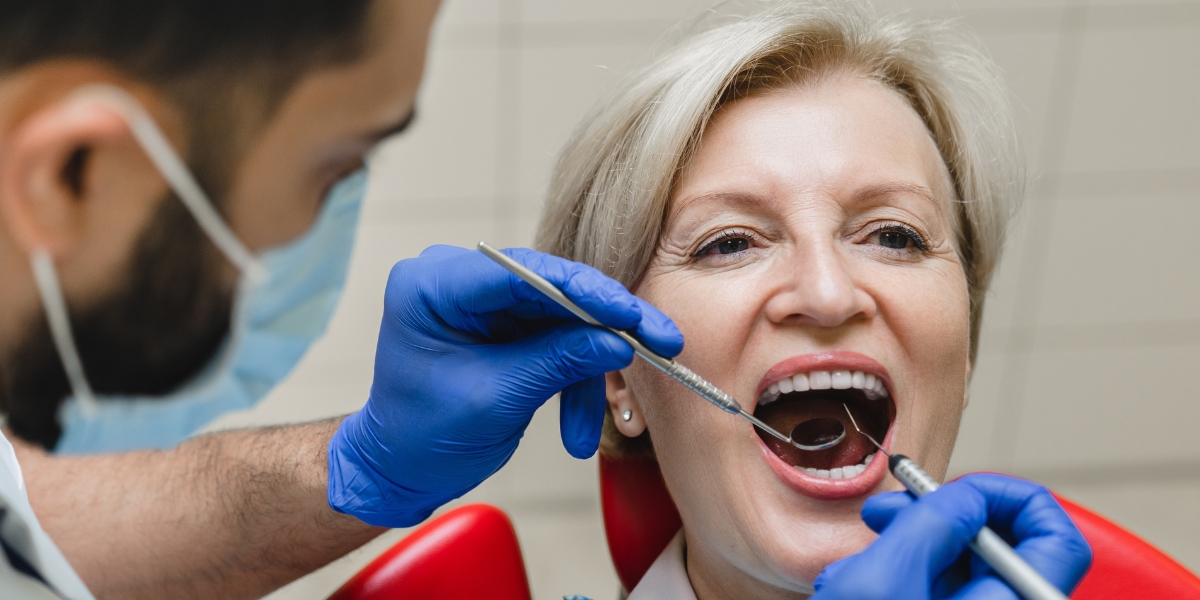
If you’ve been feeling pain at the back of your mouth, along with swollen gums or difficulty opening your jaw, it can quickly turn into a daily discomfort. One common reason behind these symptoms is pericoronitis—an inflammation of the gum tissue around a partially erupted wisdom tooth. While it can feel overwhelming, the good news is that many mild cases can be managed at home with simple care.
Understanding Pericoronitis
Pericoronitis develops when a wisdom tooth doesn’t fully come through the gums. This creates a small flap of gum tissue where food particles and bacteria can easily get trapped. Since this area is hard to clean, it becomes a perfect spot for irritation and infection to develop.
This condition is especially common in young adults, as wisdom teeth typically emerge in the late teens or early twenties.
Signs You Shouldn’t Ignore
The symptoms of pericoronitis can vary, but most people notice:
- Pain or tenderness near the back teeth
- Swelling or redness in the gums
- A bad taste that lingers
- Bad breath that doesn’t improve
- Trouble opening the mouth fully
- In some cases, a mild fever
If these symptoms begin to affect your eating or speaking, it’s a smart move to look up a dentist near me and get things checked before it becomes more serious.
Why Does Pericoronitis Happen?
The most common cause is trapped food and bacteria under the gum flap covering a partially erupted tooth. When this area isn’t cleaned properly, bacteria multiply and lead to inflammation.
Other factors that may increase the risk include:
- Inconsistent oral hygiene
- Crooked or impacted wisdom teeth
- Irritation or injury to the gums
- A weakened immune system
Knowing what’s causing the problem can help you take better care of your oral health moving forward.
Simple Ways to Manage It at Home
If your symptoms are mild, a few at-home steps can make a noticeable difference:
Saltwater Rinse
Rinsing your mouth with warm saltwater a few times a day can help reduce bacteria and calm irritated gums.
Cold Compress
Applying a cold pack on the outside of your cheek can help reduce swelling and numb the area.
Pain Relief Medication
Over-the-counter options like ibuprofen or acetaminophen can help manage pain. Just be sure to follow the recommended dosage.
Gentle Cleaning
Carefully brushing around the affected area with a soft toothbrush can help remove trapped debris.
Eat Soft Foods
Stick to foods that are easy to chew, like soups, yogurt, or mashed vegetables. Avoid anything crunchy or spicy until your gums feel better.
When It’s Time to See a Dentist
While home remedies can help, they’re not always enough. If the pain continues for more than a few days, gets worse, or is accompanied by swelling or fever, it’s time to seek professional care.
A dentist may clean the area thoroughly, prescribe medication if needed, or recommend removing the wisdom tooth to prevent future problems. Early treatment can make a big difference and help you avoid more serious complications.
How to Prevent It in the Future
Keeping your mouth clean is key. Brushing twice a day, flossing regularly, and rinsing after meals can go a long way in preventing bacteria buildup. Regular dental visits are also important, as they help catch issues early—especially when it comes to wisdom teeth.
Final Thoughts
Pericoronitis can be painful, but it’s manageable when you take the right steps early on. Paying attention to your symptoms and maintaining good oral hygiene can help you stay ahead of the problem.
If your discomfort doesn’t improve or keeps coming back, don’t wait—schedule an appointment with a trusted dental professional to get the care you need.
Frequently Asked Questions (FAQs)
How do I know if I have pericoronitis or just gum irritation?
Pericoronitis usually involves persistent pain near a wisdom tooth, along with swelling and sometimes difficulty opening your mouth.
Can I treat pericoronitis without antibiotics?
Mild cases can often be managed at home, but more severe infections may require antibiotics prescribed by a dentist.
How long does it take to feel better?
With proper care, symptoms may start improving within a few days. However, untreated cases can last longer or return.
Is it safe to ignore mild symptoms?
It’s not recommended. Even mild symptoms can worsen if left untreated, leading to more discomfort or infection.
Will removing wisdom teeth stop pericoronitis completely?
In many cases, yes. Removing problematic wisdom teeth can prevent recurring infections in that area.