SE HABLA ESPAÑOL


How Often Should I Replace My Toothbrush?

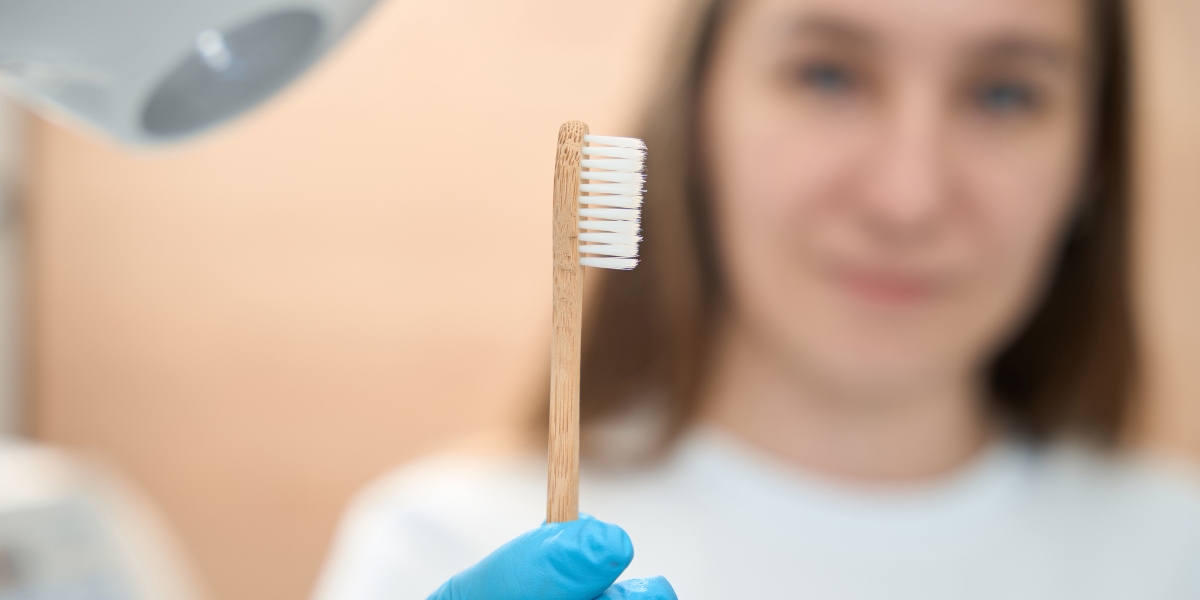
Your toothbrush is one of the most important tools you use every day, yet many people don’t think twice about how long they’ve been using it. A worn-out toothbrush can silently work against your oral health. Bristles lose effectiveness, bacteria buildup increases, and your daily routine no longer provides the same protection against cavities or gum disease. Taking care of your toothbrush is just as important as brushing itself—it’s an essential part of keeping your smile healthy.
If you’ve ever searched “dentist near me” after feeling unsure about your oral care habits, you’re not alone. Many patients ask how often they should swap out their toothbrush, and the answer can make a big difference in long-term oral health.
Why Toothbrush Replacement Matters
A toothbrush may look fine at a glance, but bristles wear down faster than you might think. According to research, frayed bristles clean less effectively and may even harm your gums if used too long. A fresh brush ensures proper brushing, helps reduce bacteria buildup, and keeps your oral care routine on track.
Think of your toothbrush as a small but powerful tool—when it weakens, so does your defense against plaque. Replacing it regularly is a simple step with lasting benefits.
General Recommendation from Experts
The American Dental Association (ADA) recommends replacing your toothbrush every three to four months. Children’s brushes may need changing sooner since kids often press harder while brushing or chew on the bristles.
Beyond the calendar, the state of the bristles should guide you. If they’re bent, flattened, or frayed, it’s time to toss your brush—even if it hasn’t been three months.
Signs It’s Time for a New Toothbrush
- Frayed bristles: If the bristles no longer stand upright, they won’t clean properly.
- Discoloration: Stains or buildup on the head suggest bacteria growth.
- Bad odor: An unpleasant smell means bacteria are thriving.
- Illness recovery: Replace your toothbrush after being sick to avoid reinfection.
Factors That May Require More Frequent Replacement
Illness and Immune Health
After recovering from a cold, flu, or infection, swap out your toothbrush to prevent lingering germs from finding their way back.
Brushing Technique
Aggressive brushing shortens brush lifespan. If you brush too hard, you may need replacements more often.
Storage Conditions
Leaving your brush uncovered in a humid bathroom creates an environment for bacteria buildup. A covered, upright storage spot can help, but still replace it often.
Oral Hygiene Tips for Better Brushing
Replacing your toothbrush is just one piece of the puzzle. Here are some oral hygiene tips to strengthen your daily routine:
- Use proper brushing technique: Angle bristles at 45 degrees, gently brushing in circles rather than scrubbing side to side.
- Don’t skip flossing: Brushing only cleans about 60% of tooth surfaces—floss reaches the rest.
- Mind your brush lifespan: Even if bristles look fine, swap them regularly.
- Limit bacteria buildup: Rinse your brush after each use and let it air dry.
Local Perspective: Round Lake, IL
Many patients visiting a dentist in Round Lake ask whether their oral health issues stem from brushing habits. Dentists in the area stress that worn brushes often lead to plaque buildup, gum irritation, and early cavities. By following the ADA’s guidelines and keeping track of your brush lifespan, you can prevent unnecessary dental visits and keep your smile bright.
FAQs About Toothbrush Replacement
How often should I replace my toothbrush if I use an electric one?
Electric brush heads should be replaced every three months, or sooner if bristles fray.
Can I clean my toothbrush instead of replacing it?
Rinsing and air drying helps, but it doesn’t eliminate bacteria buildup. Replacement is still necessary.
Should I replace my toothbrush after being sick?
Yes, especially after flu or strep throat. Germs can linger on bristles.
What happens if I don’t replace my toothbrush?
You risk reduced cleaning efficiency, plaque buildup, gum problems, and bad breath.
Final Thoughts
Something as simple as replacing your toothbrush can have a big impact on your oral health. From reducing bacteria buildup to improving brushing effectiveness, it’s a habit that pays off. If you notice worn bristles, don’t wait until your next shopping trip—make the switch right away.
If you live in or around Round Lake, IL, and want professional guidance on oral hygiene, scheduling an appointment with a trusted local dentist is the best step forward. Your toothbrush may be small, but it’s a powerful tool in protecting your smile.