SE HABLA ESPAÑOL


Can Teeth Whitening Help Remove Wine Stains?

If you enjoy a glass of red wine with dinner or while unwinding with friends, you’re not alone. In Round Lake, IL, local gatherings, celebrations, and quiet evenings at home often include wine as part of the experience. But over time, that habit can leave behind something less enjoyable—wine stains on teeth. Many people notice their smile looking duller or darker and start wondering whether professional whitening is actually effective or just temporary.
Teeth discoloration can feel personal. A smile is one of the first things people notice, and when stains become visible, confidence often takes a hit. Patients frequently ask whether teeth whitening Round Lake treatments can truly address wine-related stains or if the damage is already done.
The good news is that most wine stains respond well to the right whitening approach. Understanding why these stains occur and how whitening works can help you decide whether treatment is right for you—and when it’s time to talk with a cosmetic dentist Round Lake residents trust.
Why Wine Stains Teeth So Easily
The Role of Tannins and Pigments
Red wine contains tannins, which are naturally occurring compounds found in grape skins and seeds. Tannins make it easier for pigments to cling to enamel, leading to tannin discoloration over time. These dark pigments settle into microscopic pores in the tooth surface, making stains harder to remove with brushing alone.
White wine can also contribute to staining indirectly. Its acidity weakens enamel slightly, allowing other foods and beverages to stain teeth more easily afterward.
Surface Stains vs. Deeper Discoloration
Wine stains on teeth usually begin as extrinsic stains, meaning they affect the outer enamel. Over time, if not addressed, these stains can penetrate deeper, making stain removal more challenging without professional care.
According to dental research, enamel becomes more porous with age, which explains why long-term wine drinkers often notice worsening discoloration over the years rather than months.
How Teeth Whitening Works on Wine Stains
Professional whitening treatments use peroxide-based solutions that penetrate enamel and break down stain molecules. This process doesn’t scrape stains away—it chemically lifts them from within the tooth structure.
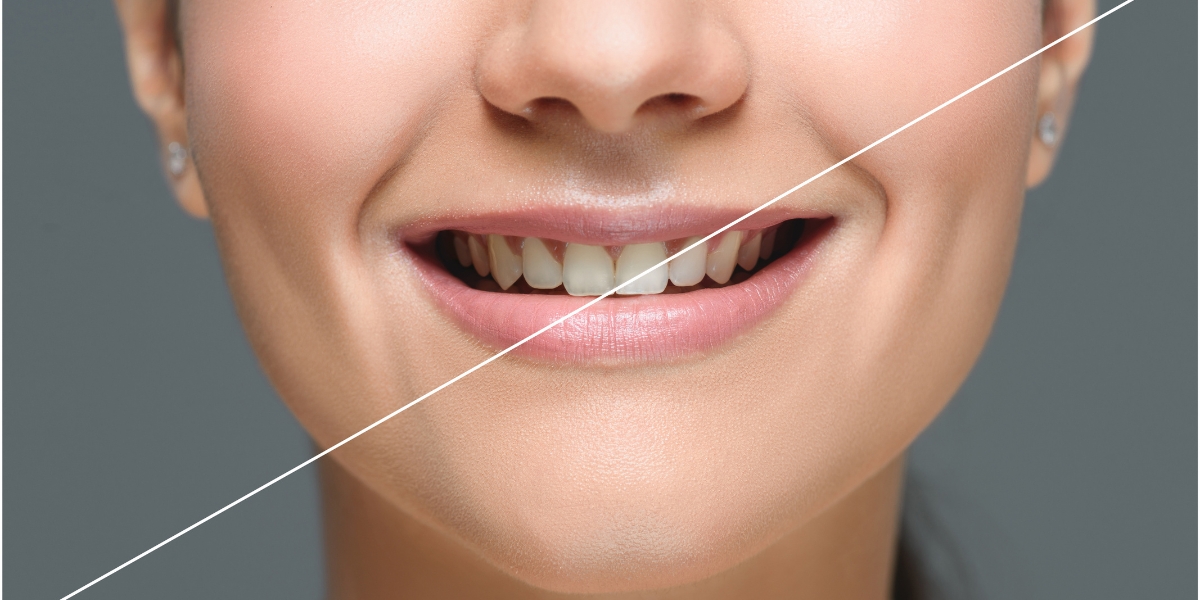
Clinical studies show that professional whitening can lighten teeth by several shades, especially when stains are caused by food and beverages like wine, coffee, and tea. Results vary depending on enamel thickness, stain depth, and oral habits, but most patients see noticeable improvement after treatment.
For residents seeking teeth whitening in Round Lake, professional care is often more predictable and longer-lasting than over-the-counter options.
Professional Whitening vs. At-Home Products
In-Office Whitening
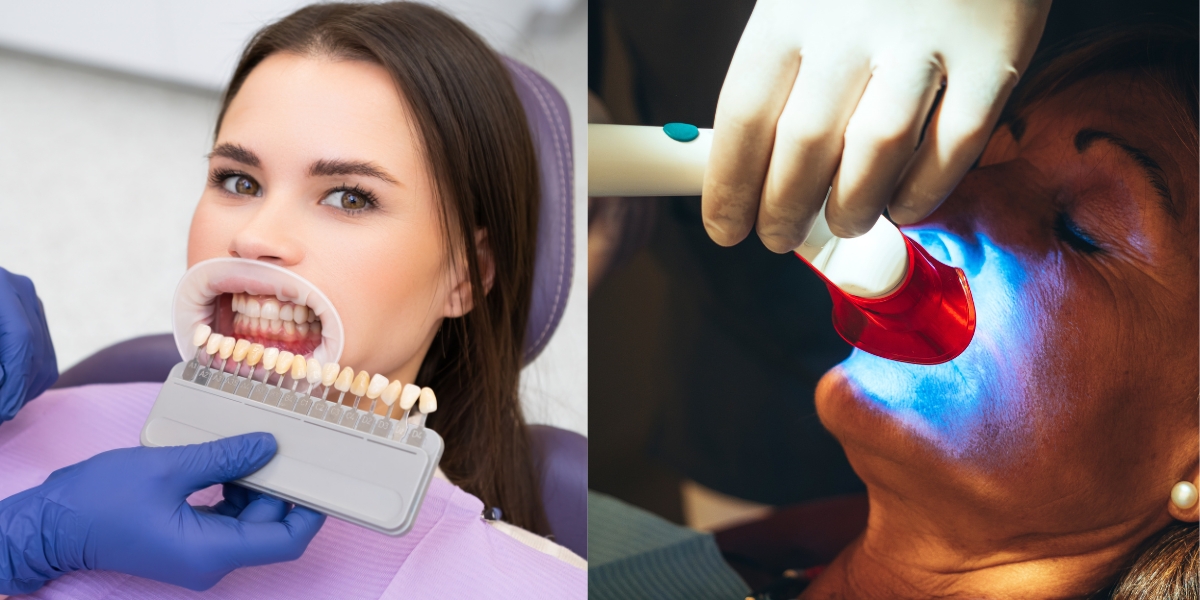
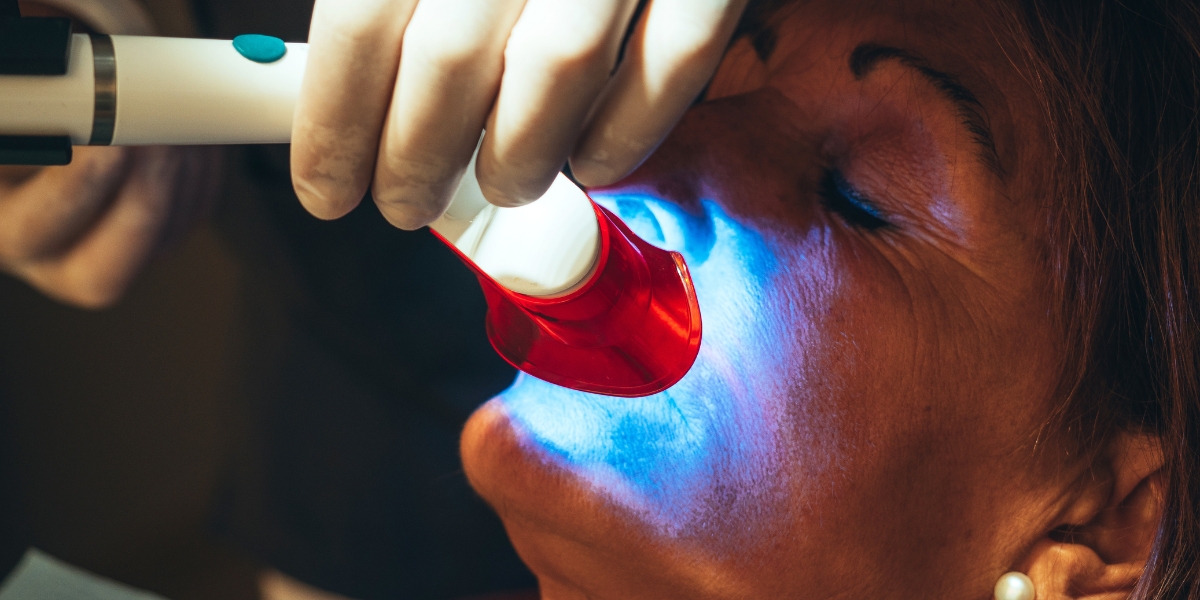
In-office whitening treatments are monitored by a cosmetic dentist Round Lake patients rely on for safe and consistent results. These treatments use higher-strength whitening agents applied with protective measures for gums and enamel.
Benefits include:
- Faster results, often in one visit
- More effective stain removal
- Reduced risk of uneven whitening
At-Home Whitening Kits
Dentist-provided take-home kits offer controlled whitening over several weeks. While slower, they can be effective for maintaining results after in-office treatment.
Over-the-counter products may help with mild staining, but they often struggle with deeper wine stains and tannin discoloration, especially when enamel is already compromised.
Is Teeth Whitening Safe for Wine Stains?
Yes—when done properly. The American Dental Association confirms that professionally supervised whitening is safe for teeth and gums when used as directed.
Temporary tooth sensitivity is the most common side effect, typically resolving within a few days. A dentist can evaluate your enamel health beforehand to minimize discomfort and ensure whitening is appropriate.
Local Factors That Can Affect Whitening Results
In Round Lake, IL, lifestyle habits such as diet, water mineral content, and seasonal routines can influence oral health. Patients who frequently enjoy wine, coffee, or acidic foods may need touch-up treatments more often.
Local dental professionals understand these patterns and can recommend personalized stain removal plans that fit daily routines rather than generic advice.
Tips to Prevent Wine Stains After Whitening
Simple Habits That Help
- Rinse your mouth with water after drinking wine
- Use a straw when possible to limit enamel contact
- Maintain regular cleanings with a dentist near you
- Brush at least 30 minutes after wine consumption to protect enamel
Data shows that patients who follow preventive habits maintain whitening results up to 40% longer compared to those who don’t adjust post-treatment behaviors.
When Whitening May Not Be Enough
While whitening is effective for most wine stains, it may not correct discoloration caused by enamel erosion, internal staining, or restorations like crowns and veneers. In these cases, a cosmetic dentist Round Lake patients consult may recommend bonding or veneers for consistent results.
An evaluation ensures expectations align with outcomes, saving time and unnecessary treatments.
Frequently Asked Questions
Can teeth whitening remove years of wine stains?
In many cases, yes. Long-term stains can often be lightened significantly, though multiple sessions may be needed depending on stain depth.
Will wine stains come back after whitening?
They can, especially without preventive care. Regular cleanings and occasional touch-ups help maintain results.
Does whitening damage enamel?
No, when performed or supervised by a dental professional. Whitening products approved for professional use are designed to protect enamel integrity.
Is whitening worth it if I still drink wine?
Yes. Many patients continue enjoying wine while maintaining brighter smiles through preventive habits and periodic treatments.
A Brighter Smile Is Still Possible
Wine stains don’t have to define your smile. With the right approach, professional whitening can safely and effectively reduce discoloration caused by tannins and pigments. For those exploring teeth whitening Round Lake options, working with a trusted dental professional ensures realistic results and long-term oral health.
If you’re ready to talk through your options with a local dentist near you who understands both aesthetics and dental health, it may be time to schedule an appointment and take the next step toward a smile that reflects how you feel, not what you drink.