SE HABLA ESPAÑOL


Can Teeth Whitening Treatments Damage Enamel or Gums?

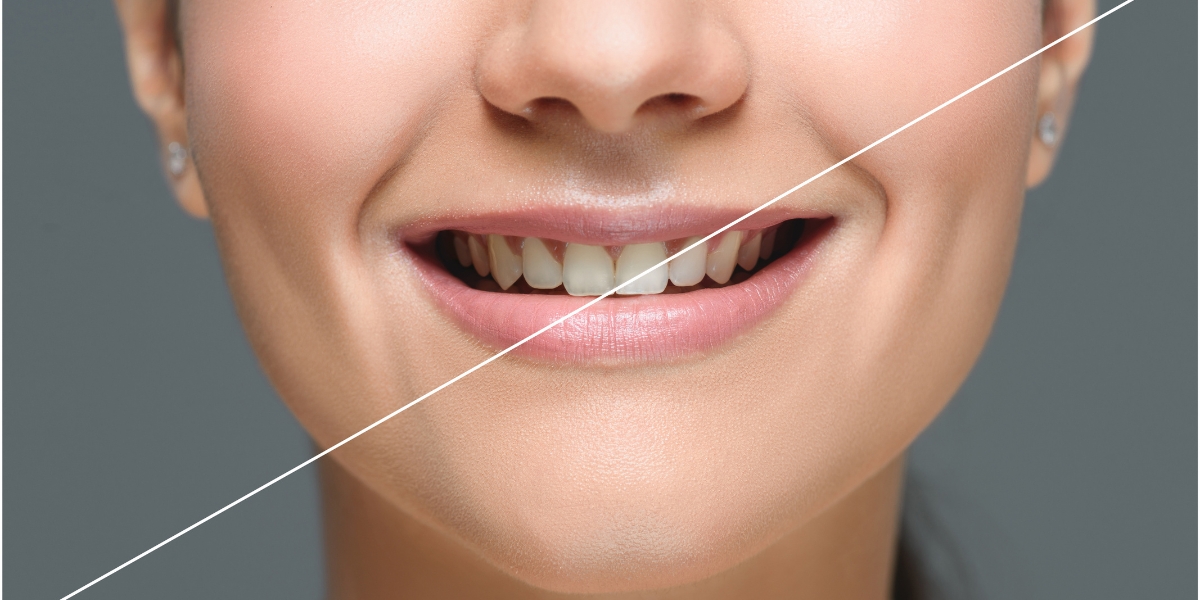
A brighter smile often feels like a confidence boost, and teeth whitening is one of the most popular cosmetic dental care treatments in the U.S. Whether it’s for a wedding, job interview, or simply feeling more self-assured, many people turn to whitening solutions. But a common question lingers: can teeth whitening damage enamel or irritate gums?
The short answer is: when done correctly, professional teeth whitening is considered safe. However, misuse of whitening products or overexposure can lead to side effects like tooth sensitivity and gum irritation. Understanding how whitening works and what precautions to take can help you achieve a glowing smile without compromising oral health.
How Teeth Whitening Works
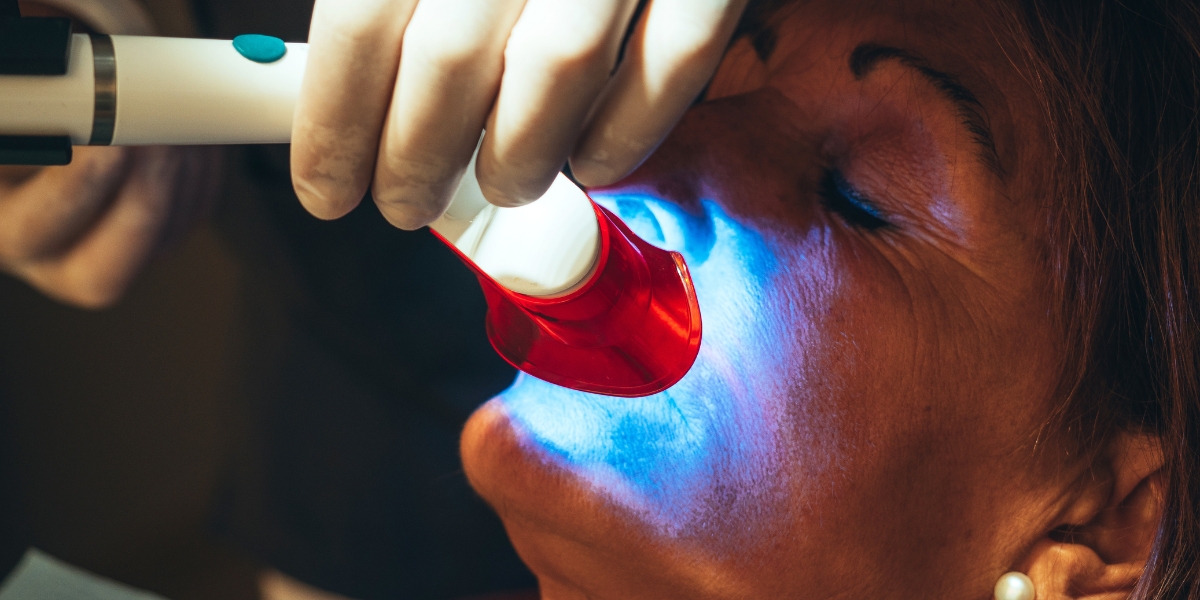
Teeth whitening products typically use peroxide-based agents (hydrogen peroxide or carbamide peroxide) to break down stains on the enamel. These agents penetrate the enamel surface and target the discolored molecules, making the teeth appear lighter.
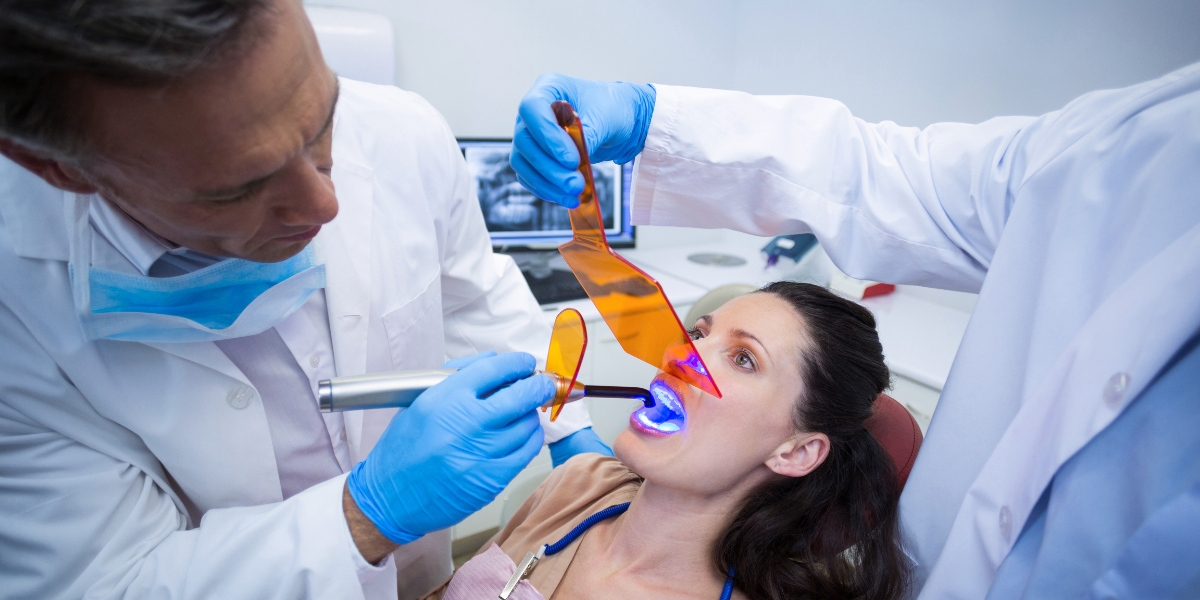
- Professional teeth whitening: Done in a dental office with customized trays or in-office bleaching systems.
- At-home kits: Over-the-counter strips, gels, or trays with lower concentrations of peroxide.
The effectiveness and safety largely depend on the concentration of the whitening agent and how long it’s applied.
Can Whitening Damage Enamel?
Enamel is the hardest substance in the human body, protecting teeth from decay and daily wear. According to data published in dental research journals, peroxide-based whitening does not remove enamel but can cause temporary demineralization if used excessively.
- A clinical review from the Journal of the American Dental Association suggests that professional-strength whitening, when applied under supervision, does not cause permanent enamel damage.
- Overuse of at-home kits, however, may weaken the enamel surface, making teeth more prone to sensitivity.
Key takeaway: Whitening itself doesn’t erode enamel, but improper or frequent treatments can put enamel at risk.
Gum Irritation: A Real Concern
One of the most common side effects of whitening is gum irritation. This happens when the bleaching gel comes in direct contact with soft tissues.
- Mild irritation: Redness, burning, or soreness around the gums.
- Severe cases: Swelling or peeling of gum tissue (rare and usually linked to improper application).
Dentists typically use protective barriers during professional whitening to shield gums, something at-home kits cannot fully guarantee.
The Role of Tooth Sensitivity
Tooth sensitivity often increases temporarily after whitening. This occurs because peroxide opens up the microscopic tubules in enamel, allowing stimuli like hot and cold to reach the nerves inside.
Most patients experience sensitivity for 24–48 hours post-treatment, but it usually subsides. Using desensitizing toothpaste or fluoride rinses can help restore comfort quickly.
Whitening Safety: What Experts Recommend
To maintain a balance between a bright smile and healthy teeth, the American Dental Association recommends using whitening treatments approved with the ADA Seal of Acceptance.
Best practices include:
- Consulting a dentist before starting any whitening regimen.
- Following product instructions closely—never exceed recommended application time.
- Using custom-fitted trays from a dentist to minimize gum contact.
- Allowing intervals between treatments to avoid enamel stress.
Local Context: Why Professional Guidance Matters
In communities like Round Lake, IL, many people consider teeth whitening to refresh their smiles. Consulting a dentist not only ensures proper treatment but also helps rule out underlying dental issues that might affect whitening results, such as cavities, gum disease, or enamel erosion. A dentist can also personalize whitening options based on tooth shade, enamel thickness, and sensitivity levels.
For residents looking for safe and effective whitening, turning to a dentist Round Lake provides peace of mind compared to experimenting with random online kits.
FAQs About Teeth Whitening Safety
Q: Can teeth whitening cause permanent damage?
A: When done professionally or with approved products, whitening does not permanently harm enamel or gums. Misuse, however, can create risks.
Q: Is tooth sensitivity after whitening normal?
A: Yes. It usually lasts only a few days and can be managed with desensitizing toothpaste and avoiding very hot or cold foods.
Q: How often can I whiten my teeth safely?
A: Most dentists recommend touch-ups every 6–12 months, depending on lifestyle factors like coffee, tea, or wine consumption.
Q: Are natural remedies safer than whitening gels?
A: Not necessarily. Methods like lemon juice or baking soda can actually erode enamel more than professional whitening agents.
Final Thoughts
Teeth whitening is safe for most people when performed correctly, especially under professional guidance. While enamel damage is rare, side effects like temporary sensitivity and gum irritation are common if products are misused. Partnering with a local dental professional ensures you achieve a brighter smile while protecting long-term oral health.
If you’re considering whitening treatments and want personalized advice, it’s best to consult with a trusted dentist. Schedule an appointment today and explore safe whitening options tailored to your needs.