SE HABLA ESPAÑOL


Dry Mouth Relief: The Ultimate Food & Hydration Guide

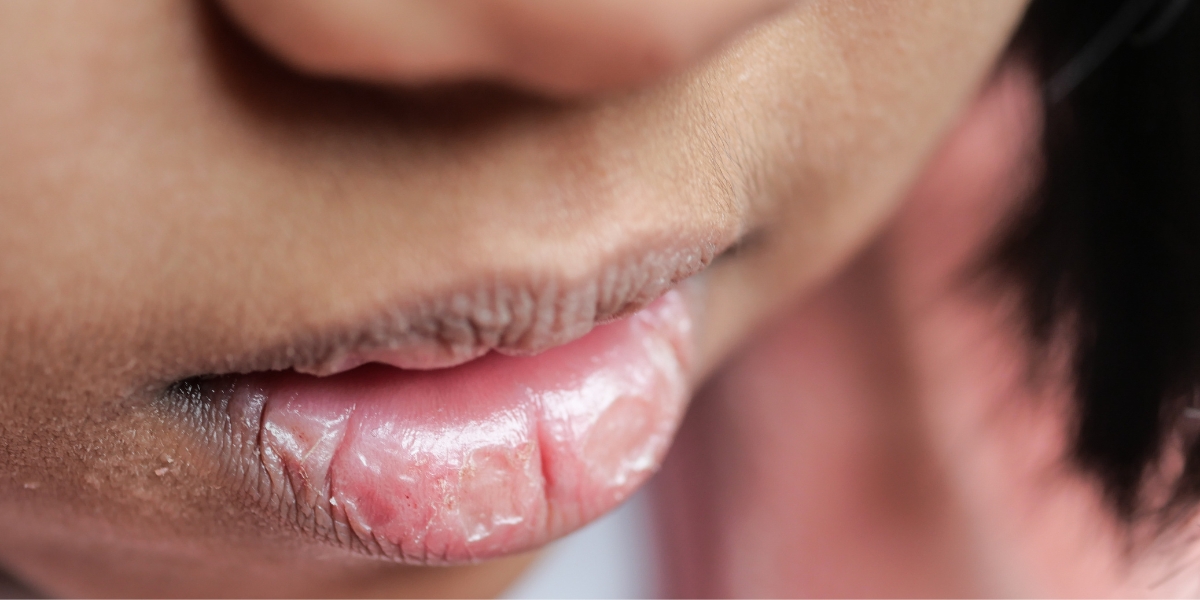
Dry mouth—often referred to as xerostomia—happens when your mouth doesn’t produce enough saliva to stay comfortably moist. Saliva may seem small, but it plays a huge role in keeping your mouth healthy. It rinses away food debris, protects your teeth from acids, helps you speak clearly, and even supports digestion. When saliva levels drop, you may notice a scratchy, dry, or sticky feeling in your mouth that makes everyday tasks uncomfortable.
Many people don’t realize how disruptive dry mouth can be until it affects daily life. If you’re dealing with ongoing dryness, it’s helpful to speak with a dentist in Round Lake, IL, who can evaluate what might be causing it and how to treat it. A professional can determine whether the issue is related to medications, lifestyle habits, or an underlying condition.
Before diving into remedies, let’s explore what dry mouth feels like and what triggers it most often.
Common Symptoms of Dry Mouth
People with dry mouth may experience:
- Constant dryness or thirst
- A sticky, cottony feeling in the mouth
- Difficulty chewing or swallowing
- Changes in taste
- A dry, cracked tongue
- Trouble speaking for long periods
- Mouth sores or irritation
- Hoarseness or a dry throat
Why Does Dry Mouth Happen?
Dry mouth isn’t a condition on its own—it’s usually a result of something else. Some common causes include:
Medications
Many commonly prescribed medicines—such as antidepressants, antihistamines, blood pressure medications, and decongestants—can decrease saliva flow.
Dehydration
Not drinking enough water is one of the most frequent contributors.
Medical Conditions
Autoimmune disorders, diabetes, nerve issues, and certain chronic illnesses may affect saliva glands.
Age
Salivary function often decreases with age.
Tobacco Use
Smoking or chewing tobacco dries and irritates the mouth.
Regardless of the cause, managing dry mouth often begins with proper hydration and smart food choices—both of which play an essential part in keeping the mouth comfortable.
Hydration: The Foundation of Dry Mouth Relief
Water is the primary ingredient of saliva, which means the more hydrated you are, the easier it is for your body to maintain a healthy moisture balance in your mouth. Staying hydrated protects your teeth, reduces irritation, and helps prevent cavities.
How Much Water Should You Drink?
A common guideline is eight 8-ounce glasses per day, but your needs may vary depending on your activity level, climate, and overall health.
Tips to Increase Daily Hydration
If drinking plain water feels repetitive, try:
- Adding lemon, cucumber, or berries
- Sipping unsweetened herbal tea
- Eating hydrating foods like melons, celery, and leafy greens
- Keeping a reusable bottle with you throughout the day
Top 10 Best Foods for Dry Mouth Relief
Certain foods naturally support saliva production and help soothe dryness. Here are some great options to add to your routine:
Watermelon
Packed with water and vitamins A and C, watermelon hydrates and supports healthy soft tissues.
Cucumbers
With over 95% water content, cucumbers provide refreshing hydration and key minerals.
Celery
Its crunch stimulates saliva and its high water content helps maintain moisture.
Leafy Greens
Spinach, kale, and lettuce contain vitamin A, essential for strong oral tissues.
Plain Yogurt
Probiotic-rich yogurt supports oral bacteria balance and soothes dryness—just choose unsweetened options.
Soups & Broths
Warm and hydrating, broths help replenish fluids and electrolytes.
Unsalted Nuts
Almonds, cashews, and walnuts encourage saliva through chewing. Avoid salted options to prevent irritation.
Apples & Pears
High in fiber and moisture, these fruits naturally encourage saliva flow.
Sugar-Free Gum
Gum with xylitol is excellent for stimulating saliva and supporting cavity prevention.
Unsweetened Herbal Teas
Teas like chamomile or peppermint provide hydration and soothing relief without added sugars.
Additional Dietary Tips for Managing Dry Mouth
Avoid Dry & Sticky Foods
Items like crackers, chips, cookies, and dried fruit absorb moisture and make dryness worse.
Cut Back on Caffeine & Alcohol
Both are dehydrating and can quickly intensify dry mouth symptoms.
Choose Sugar-Free Lozenges
These encourage saliva production—especially those sweetened with xylitol.
Try Softer Foods When Needed
Options like smoothies, yogurt, oatmeal, and puréed soups make eating more comfortable.
Natural Remedies for Everyday Relief
Before trying any new remedies, especially if you have chronic health issues, talk with your dentist or healthcare provider. Here are natural approaches many people find helpful:
Sialagogues (Saliva-Stimulating Products)
Your provider may recommend prescription tablets, sprays, or lozenges that boost saliva production.
Oral Moisturizing Sprays
These provide temporary lubrication when your mouth feels especially dry.
Lifestyle Habits to Support Moisture
- Quit smoking to reduce irritation
- Switch to nasal breathing to avoid drying out the mouth
- Use a humidifier at night to add moisture to indoor air
Protecting Your Oral Health When You Have Dry Mouth
Dry mouth increases your risk of cavities and gum problems, so extra care is essential:
Brush & Floss Daily
Use gentle toothpaste and avoid alcohol-based mouthwash, which can worsen dryness.
Schedule Regular Dental Visits
Professional cleanings and exams help catch issues early and keep your mouth healthy.
Quick Recap: How to Win Against Dry Mouth
- Drink more water and choose hydrating foods
- Limit caffeine, alcohol, and overly dry snacks
- Use xylitol gum or lozenges to encourage saliva
- Keep up with brushing, flossing, and routine dental visits
- Seek professional guidance if symptoms persist
A balanced lifestyle and good oral habits can make a huge difference in how your mouth feels each day.
Frequently Asked Questions
Can dry mouth lead to cavities?
Yes. Without enough saliva, acids and bacteria linger on the teeth, increasing the risk of decay.
What helps dry mouth at night?
Try sipping a little water, using a bedside humidifier, or choosing xylitol lozenges before bed.
Is dry mouth linked to bad breath?
Absolutely—less saliva means more bacteria, which often leads to unpleasant odors.
Can certain foods make dry mouth worse?
Yes. Salty, dry, and sugary foods often intensify symptoms.
Should I see a dentist for chronic dry mouth?
Yes. Long-lasting dry mouth may indicate an underlying issue that a dentist can help diagnose.