SE HABLA ESPAÑOL


How Can a Dentist Help Manage Bad Breath?


Bad breath is more than just an embarrassing inconvenience—it can affect your confidence, relationships, and even hint at deeper health concerns. Many people try mints or mouthwash for a quick fix, but when the odor persists, it’s a sign of something more complex. Understanding where bad breath comes from and how a dentist can help manage it is the first step to regaining both fresh breath and peace of mind.
Why Bad Breath Happens
Bad breath, also known as halitosis, often develops when food particles remain trapped between teeth, allowing bacteria to grow. Poor oral hygiene practices, such as infrequent brushing or skipping flossing, can lead to plaque buildup that harbors odor-causing bacteria. Other common culprits include:
- Tongue coating – Bacterial buildup on the tongue is a leading cause of bad breath.
- Gum disease – Infection in the gums can create a persistent unpleasant odor.
- Dry mouth – Reduced saliva flow prevents natural cleaning of the mouth.
- Diet and habits – Foods like garlic and onions or smoking and alcohol consumption add to the problem.
While occasional bad breath is normal, chronic halitosis needs professional attention.
How a Dentist Can Help with Bad Breath
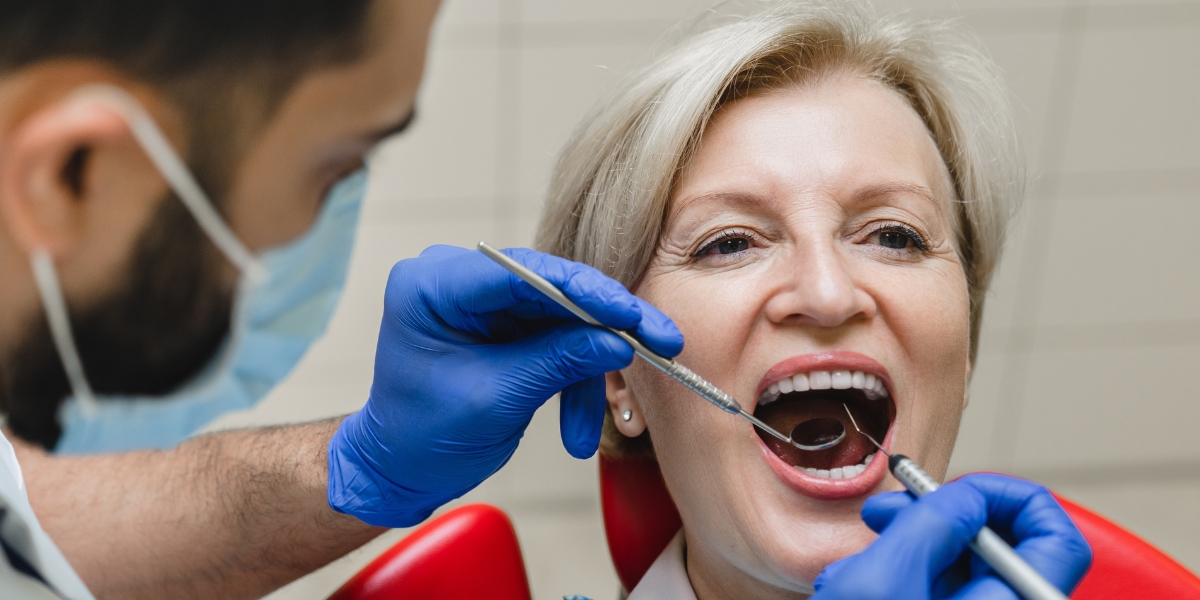
Visiting your dentist is one of the most effective ways to address ongoing bad breath. Dentists don’t just treat teeth—they evaluate your entire oral health and identify the root cause of halitosis. Here’s how they help:
Professional Oral Examination
A dentist carefully examines your mouth for signs of gum disease, tooth decay, or bacterial buildup. In some cases, chronic bad breath could point to untreated cavities or infection.
Deep Cleaning and Scaling
When plaque and tartar build up below the gumline, regular brushing won’t help. Professional cleanings remove this buildup, reducing bacteria and improving overall freshness.
Tongue Cleaning Guidance
Since the tongue traps a large amount of bacteria, dentists often recommend or demonstrate tongue cleaning techniques. This step alone can significantly improve breath odor.
Treating Gum Disease
If gum disease is found, your dentist may suggest scaling and root planing or other periodontal treatments. Healthy gums not only prevent tooth loss but also minimize halitosis.
Addressing Dry Mouth
Dentists can suggest strategies to stimulate saliva flow, such as sugar-free gum or specific rinses. In some cases, medication adjustments may be recommended in collaboration with your physician.
Lifestyle and Oral Hygiene Coaching
Sometimes, persistent bad breath is linked to habits. Dentists provide tailored guidance on brushing, flossing, and dietary choices to reduce odor.
The Connection Between Oral Health and Bad Breath
Studies show that about 50% of adults experience halitosis at some point in their lives, and nearly 90% of chronic cases originate from oral causes such as gum disease or tongue coating (American Dental Association). This highlights how strongly oral health is tied to breath quality.
For patients in Illinois, especially those looking for a trusted dentist in Round Lake, addressing bad breath through routine visits ensures not only a fresher smile but also better long-term health.
Preventing Bad Breath at Home
While your dentist plays a key role, here are some proactive steps you can take daily:
- Brush at least twice a day and floss once daily.
- Use a tongue scraper to reduce bacterial coating.
- Stay hydrated to combat dry mouth.
- Avoid tobacco and reduce alcohol intake.
- Choose foods that encourage saliva production, like crunchy fruits and vegetables.
These small habits, combined with professional care, create lasting improvements.
FAQs About Bad Breath
Can bad breath indicate a serious health condition?
Yes. While most cases are linked to oral hygiene, bad breath can sometimes signal conditions like diabetes, sinus infections, or gastrointestinal issues. That’s why professional evaluation is essential.
How often should I visit the dentist for bad breath?
Twice-yearly visits are recommended for preventive care, but if you struggle with chronic halitosis, more frequent check-ins may be necessary.
Will mouthwash alone fix bad breath?
Mouthwash offers temporary relief, but it doesn’t address the root cause. Professional cleaning and proper oral hygiene are needed for long-term results.
Is bad breath always caused by poor brushing?
Not necessarily. Even people with good brushing habits can develop halitosis due to gum disease, dry mouth, or underlying medical conditions.
Final Thoughts
Bad breath is not something you should ignore or feel embarrassed about—it’s a common issue that often has a straightforward solution. A dentist can identify the underlying cause, provide treatment, and guide you with effective oral hygiene practices that restore freshness and confidence.
If you’ve been struggling with persistent bad breath, consider reaching out to your local dental office. Whether you’re searching for a reliable dentist or want to start with a routine checkup, taking action today can bring lasting relief and healthier smiles for the future.